Thanksgiving: Time to be with friends and family, not time to pig out!

It is Thanksgiving time.  I will devote the next few blog reports on how to deal with Thanksgiving and your diet!

You are going to be surrounded by holiday candy, pumpkin bread, pies, etc.  I meet a lot of people who give up on their diet at the holidays or don’t even start with the excuse that they will start after the holidays are over.

Don’t do it!

You need to take control of your life.  You cannot have this excuse again.  You have had it for years and it is the reason you are heavy or gain the weight back.  Something has to change.  How you view food has to change.

So, it is the holidays.   You think that the Thanksgiving pilgrims thought that you should gorge yourself with carbs at the holidays for them?  NO.  The message behind these holidays is about being grateful and celebrating a special day.  It has nothing to do with sugary carbs.  Thanksgiving was about sitting down and “breaking bread”, so to speak,  with the American Indians, in the spirit of cooperation.

WHAT THE PILGRIMS ATE:

The first Thanksgiving feast would have looked very strange to our modern eyes, consisting mainly of corn and meat. The spirit of the celebration would be easy for us to understand, because then, as now, Thanksgiving is a reminder of the bounty of the Earth and the importance of hard work and cooperation.

Cheese:

You might be surprised to know how different the first Thanksgiving dinner was from what we enjoy today.  They might have had cheese made from goat’s milk.

A Variety of Meats

The pilgrims and the Indians had some type of fowl and venison. The pilgrims often hunted fowl for a special feast follwing the harvest. Wild turkeys are native to New England, as are pheasants. Both were enjoyed by the pilgrims and Native-Americans alike and were included in the feast. The Native-Americans brought venison; some of the braves went hunting and brought back five deer to share. Other meats that may have been on the table include lobster, seal and swans.

The food was placed on the table, and people helped themselves to it.

Fruits, veggies without sugar, meats, and corn

Thanksgiving today includes many vegetables available, but in the 17th century, vegetables were not always plentiful. Special meals, even the Thanksgiving meal, centered around many different kinds of meat.

Common fruits and vegetables included pumpkin, peas, beans, radishes, carrots, onions, lettuce, plums and grapes. Walnuts, chestnuts and acorns were also plentiful. Though there was no pumpkin pie, the Pilgrims did make stewed pumpkin. They had cranberries, but no sugar, so they did not make cranberry sauce. Sweet potatoes were not common, so those were probably not on the Thanksgiving table.

No  pies or other sweets.

They did not have an oven to bake pies, and even though they brought sugar over on the Mayflower, it had all been used by the time of the first celebration.

The Pilgrims had little in the way of grain, they only had wheat flour.

So, try to eat more like a Pilgrim than a Piggy for the holidays!  Tomorrow’s blog will show the carb chart on so-called “Thanksgiving” food.  You must choose wisely.

Healthy/Tasty Lite Steak Quesadilla Recipe for Your Diet

A Taco Bell steak quesadilla is 96g of carbs for the whole thing.  That is outrageous.  This is mostly in part because regular tortilla shells are HIGH in carbs. You have to specifically buy low-carb tortillas.  I have blogged on this before and had recipes.  There are low-carb tortillas that are lower than the ones in today’s recipe.  See the following link to see what I have blogged about before, because you can eat a tortilla for less than 10g of carbs.

(remember: To lose weight, you want between 50g and 100g of carbs per day)

https://skinny-rules.com/2013/09/25/low-carb-taco-bell-esq-crunchastic-supreme/

Steak Quesadilla recipe.

Just a note.  Portion size, you could eat this particular tortilla and it would be lighter for you if split this with someone, making it about 16g of carbs per person.

A friend of my husband’s made this particular recipe and loved it.  She added guacamole to it.  She said it took 30 minutes and was delish!  Here is her picture:

quesadilla


Actual recipe:

guilt-free recipes, courtesy of Hungrygirl.com

HG's Double-Stuffed Steak Quesadilla
HG’s Double-Stuffed Steak Quesadilla

Ingredients:
3 tbsp. shredded reduced-fat Mexican blend cheese
1 wedge The Laughing Cow Light Creamy Swiss cheese
5 jarred jalapeño slices, finely chopped
1 portabella mushroom cap (stem removed), sliced
2 oz. thinly sliced raw lean beefsteak filet
1/8 tsp. garlic powder
1/8 tsp. onion powder
Dash black pepper
1 medium-large high-fiber flour tortilla with 110 calories or less (like La Tortilla Factory Smart & Delicious SoftWraps)
Optional toppings: salsa, fat-free sour cream

Directions:
In a small bowl, combine shredded cheese, cheese wedge, and jalapeños. Stir until uniform.

Halve portabella slices widthwise. Bring a large skillet sprayed with nonstick spray to medium-high heat. Add portabella pieces, and cook and stir until softened and lightly browned, about 4 minutes. Add sliced steak, sprinkle with seasonings, and cook and stir for about 2 minutes, until just cooked through.

Lay tortilla flat and spread with cheese mixture. Evenly top one half with cooked steak and mushroom slices.

If needed, clean skillet. Re-spray and bring to medium heat. Place the loaded tortilla flat in the skillet, and cook for 2 minutes.

Using a spatula, fold the cheese-only half of the tortilla over the filling, and press lightly to seal. Carefully flip and cook until crispy, about 2 minutes. Slice into wedges, and enjoy!

MAKES 1 SERVING

Serving: entire recipe (1 quesadilla)
Calories: 318
Fat: 11g
Sodium: 815mg
Carbs: 33g
Fiber: 8g
Sugars: 6.5g
Protein: 29g

PointsPlus® value 8*


Processed Foods Can Cause Weight Problems

processed-foods-supermarket

I have put food items on my blog that are “processed foods.”  But, when losing weight and you are NEW to changing your lifestyle, it is very hard at first to give up everything.  I do believe in making the changes and not worrying too much about processed foods until you hit a point where your sugar cravings have disappeared and you are used to eating smaller portions of proteins six times a day, with two small servings of fruit and four small servings of veggies.

So, let’s assume you are used to your new eating plan.  What are processed foods and how are they bad?

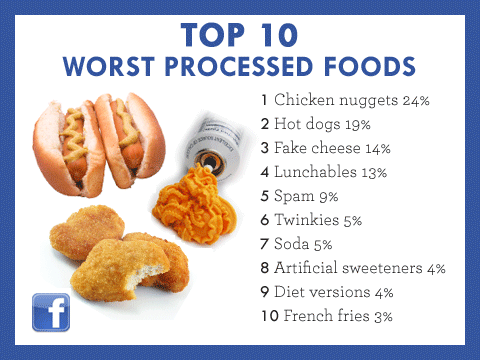
Processed food has a bad reputation as a diet saboteur. It’s blamed for our nation’s obesity epidemic, high blood pressure and the prevalence of type 2 diabetes. But processed food is more than boxed macaroni and cheese, potato chips and fast food. Whole-wheat bread, homemade soup or a chopped apple are also processed foods.

goodfood

Different types of processed foods:

Minimally processed foods :

  • bagged lettuce, spinach, etc, cut vegetables and roasted nuts — are often simply pre-prepped for convenience.

Moderately processed food, processed at their peak to lock in nutritional quality and freshness:

  • canned beans, tomatoes, frozen fruit and vegetables, and canned tuna.

More than moderately processed foods with ingredients added for flavor and texture:

  • sweeteners, spices, oils, colors and preservatives) include jarred pasta sauce, salad dressing, yogurt and cake mixes.
  • Ready-to-eat foods, like crackers, granola, and deli meat, are more heavily processed.

The most heavily processed foods:

  • frozen or pre-made meals like frozen pizza and microwave dinners.

worst procssed foods


Some processed foods are ok:

Processed food can be beneficial to your diet.

  • Milk and juices are sometimes fortified with calcium and vitamin D, and breakfast cereal may have added fiber. Canned fruit (packed in water or its own juice) is a good option when fresh fruit is not available.
  • Some minimally processed food like pre-cut vegetables are quality convenience foods for busy people. Bagged vegetables and salads are helping people eat more vegetables.  They’re more expensive, but if your choice is between paying less and chopping it when you know you’re not going to do that, and paying a little more for the bagged vegetable you know you’re going to eat, the [bagged vegetable] is a better choice.

You need to read the ingredients list and review the nutrition facts panel.

Look for Hidden Sugar, Sodium and Fat

Eating processed food in moderation is fine, but consumers should be on the lookout for hidden sugar, sodium and fat.

Sugar:

Sugar isn’t just hidden in processed sweets. It’s added to bread,pasta sauces and cereal. The number of carbohydrates on the nutrition label also includes naturally occurring sugars which may be a significant amount in foods like yogurt and fruit. Instead, review a product’s ingredients list and look for added sugars among the first two or three ingredients such as sugar, maltose, brown sugar, corn syrup, cane sugar, honey and fruit juice concentrate.

Sodium:
Most canned vegetables, soups and sauces have added sodium. We need some sodium, but we often consume much more than the Dietary Guidelines for Americans’ recommended 2,300 mg a day (1,500 mg a day for those over 51 years of age, or African-Americans, diabetics and those with hypertension or chronic kidney disease). High sodium intake is linked to hypertension, or high blood pressure.

Three quarters of our sodium intake comes from processed foods.  Only 20 or 25 percent of it comes from salting our food.

Canned vegetables, soups and beans can be packed with nutrients, so don’t cross them off your shopping list entirely. Instead, look for reduced or low sodium on labels. Also, always rinse canned beans and vegetables and reduce sodium content by about 40 percent.

Fat:

Some fat in your diet is good for you.  It isn’t the fat that is the problem in weight gain….it is SUGAR and CARBOHYDRATES.  Your body needs fat.  It doesn’t need sugar or carbs.  But, your brain and body can get addicted to sugar and carbs.

realfood

SO HOW TO DEAL WITH GETTING AWAY FROM PROCESSED FOODS:

Tossing everything in your pantry out all at once is a good way to waste money, but gradually replacing processed foods with fresh alternatives helps curb cravings and hunger. Highly processed foods are low in nutrients, causing the body to seek more food to find the nutrients it needs, which leads to a vicious cycle of overeating.

  • You don’t have to empty the pantry all at once, but slowly start making swaps like fresh fruit and yogurt for protein bars (which can contain as much sugar as a candy bar) or hummus and fresh veggies instead of nutritionally devoid pretzels.
  • Eat fresh food.  Fresh meat, salads, fruits and vegetables.
  • Learn to Cook!  It isn’t that hard.  Find time. Your iPAD games or Playstation is not more important than your health.  You can prepare foods and have leftovers for days.  Some things take little time to cook.

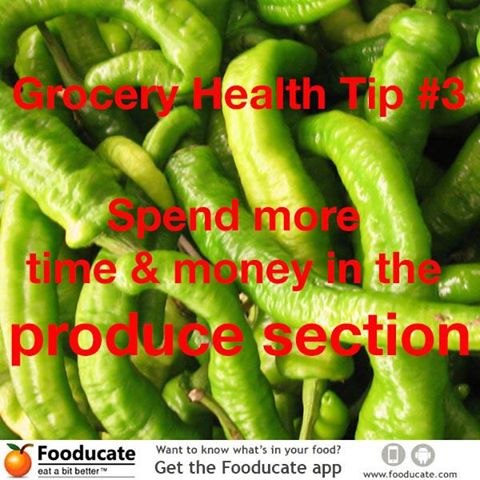
    http://blog.fooducate.com/2013/11/17/9-tips-for-healthy-and-affordable-grocery-shopping/


groceries


  • Learn about Genetically Modified Food and how it is ruining your body and keeping us overweight and sick.  Start to read labels on whether the items you are purchasing are organic, grain fed or not.

Genetically modified food is a huge problem for people and has been, since it was introduced 30 years ago.  Notice the obesity rate has increased since they started messing with how they grow or raise our food?!  There are also more stomach and colon issues because our intestinal balances are completely being messed up. GMOis a whole other Oprah and perfect for another blog day.  If you want to read more, Foodbabe.com and Fooducate.com!
http://www.organicconsumers.org/articles/article_28747.cfm


Can Lack of Sleep Make You Fat?

Could lack of sleep be causing you to gain weight?

If you’re feeling sleepy at work, you may be tempted to reach for a doughnut for a quick shot of energy. Later you may skip the gym and pick up takeout on your way home to your family — no time to cook. When you finally find yourself back in your bed, you are too wound up to sleep.

Eventually, sleep deprivation can sabotage your waistline and your health.

The immediate result? You may be able to fight off sleepiness. Poor food choices coupled with lack of exercise set the stage for obesity and further sleep loss.

If you accumulate too much sleep debt, your body will crash.

Not getting enough sleep is common – especially in the U.S.

Understanding the Sleep-Diet Connection

PROA600-0_260X200_Harry's_UK

“It’s not so much that if you sleep, you will lose weight, but if you are sleep-deprived, meaning that you are not getting enough minutes of sleep or good quality sleep, your metabolism will not function properly.

On average, we need about 7.5 hours of quality sleep per night, he says. If you are a five-hour sleeper and start to sleep for seven hours a night, you could start dropping weight.

Exactly how lack of sleep affects our ability to lose weight has a lot to do with our nightly hormones.

The two hormones that are key in this process are ghrelin and leptin.

  • Ghrelin is the ‘go’ hormone that tells you when to eat, and when you are sleep-deprived, you have more ghrelin.
  • Leptin is the hormone that tells you to stop eating, and when you are sleep deprived, you have less leptin.”

More ghrelin plus less leptin equals weight gain.

“You are eating more, plus your metabolism is slower when you are sleep-deprived.

So, recommendation as part of your new way of life–eating right and following the rules, exercise (even if it is just 15-30 minutes a day of walking) and SLEEP!

SLEEP2


I Figured Out Why I Have Been 7 Pounds Away From Goal!

Portions!!

Look, I had blood tests and they came out good.  Because of eating according to the rules, I have low sugar levels (no diabetes risk), by cholesterol levels are fantastic.  I get more than enough iron and since I take a mineral supplement daily, all is well!

I eat really well.  I eat six protein based meals, every 3-4 hours.  I have four small portions of veggies a day, two small portions of fruits per day (and I stick to lower carb fruits like berries and citrus) and two measured out salad portions a day (about a cup of lettuce).  I am very good about this.

I avoid grains, sugar desserts, rice and even most beans.

I count carbs (between 50g and 100g per day).

I exercise about 10 hours per week.

I lost all of my weight and then after having to go on steroids for itching last January, I put a few pounds back on and I keep fluctuating between being 7-9 pounds more than I want to be (goal).  I look thin, but I want the cushion of not being at the far end of acceptable.

So, I was looking at ready-made portions at Lindora today.  I realized that my protein portions have creeped up over time.  I have been mostly eyeballing my protein and I haven’t been measuring every meal as much as I used to do it.

So, crash course for me and you on portion control: 

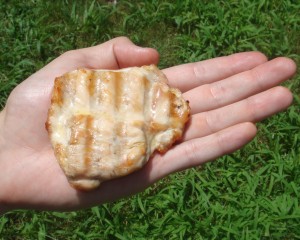
Meat is about 4 ounces.  3 ounces for beef.  Last night I ate a lean burger (without a bun, as usual).  But, it was TOO much burger.  It was 1/3 a pound.  That is about 5 1/2 ounces.  I should have eaten half of it and brought the other half home.  I am going to be more cognizant of this.  What happens when you do a diet long enough (a way of life), is that your eyes get big and you forget how small the portion has to be in order to stay thin.  This happens, especially if you eat out.  The portions are outrageous.  I could have had half of the beef and half of the egg in the salad and just eaten the other half today.

meat

I have to eat less, more often!  6 times a day, 4 ounces, broken up!

Meat1-300x240

You have to remember this!

portions_v4

Meat1-300x240  meat_serving

I am not fat like I was, but I don’t want to go back to fat either.  I am nipping this in the bud before it is too late.  I am sharing this with everyone because this is reality–this happens when you work on maintenance after a diet.

I have seen people who are hungry and overeat and don’t realize that they are eating the portion for two to three LARGER people.  Ordering a POUND burger AND fries–outrageous.  A 50-year-old man, not that active and not that tall–eating that much–it is just asking for medical problems.

Ordering a burger and a bag of fries, just for one person (especially an inactive female) –is fat waiting to happen. These people are all eating about 75g of carbs or more in one sitting.  But, I have to be aware that even if I eat meat, veggies and salad–if I overdo portion size, I might be having too many calories and messing up my own weight loss ability.

So, wish me luck on getting back to portion measuring and control.

10 Diet Mistakes

There are many things that can lead to mistakes when dieting.

DIET MISTAKES

1.  No Exercise:  Dieting alone is not enough.  You need to start out slow if you are out of shape.  Take the dog for a walk after dinner.  Start walking with friends.  Start out with 15 minutes of any aerobic activity.  But move your body.  It is not normal to just eat a little bit of food and never move.  This is not how the cavemen would have done it.

20131107-011948.jpg


2.  Crash Diets:  You have to teach your body to lose and maintain weight on normal food and routines.  When you eat so few calories in a crash diet, you train your metabolism to slow down. Once the diet is over, you have a body that burns calories more slowly — and you usually regain the weight.

3.  Skipping Breakfast: Skipping breakfast seems like a simple way to cut calories, but the result can be insatiable hunger the rest of the day. Then, you are more likely to have unplanned snacking at the office and eating a super-size portion at lunch. Breakfasts that are high in protein and fiber can reduce hunger throughout the day. In fact, studies show people who eat breakfast every morning are more likely to maintain a healthy weight.

20131107-011939.jpg

4.  Snacking Without the Snacks as Part of Your 6 Meal a Day Plan: Mindless munching on carbs, which are not protein-based, could sabotage an otherwise well-planned diet. If you’re serious about counting calories, you may want to use a diet journal to keep track of every bite of food.

AND NOT HAVING PROTEIN-BASED SNACKS between meals and after dinner is also a big mistake.  Your body needs protein-based foods every 3-4 hours throughout the day in order to lose/maintain weight. Cars need a constant supply of gas to move and so does your body.

20131107-011928.jpg

5.  Eating Low Fat Food Without Looking at Carb Content:   Low-fat products can play an important role in your diet. Just remember that low-fat isn’t the same as low-calorie and it’s not a license to take second and third helpings. You may end up eating more calories than if you had a smaller slice of regular cake. The best way to know how much fat, sugar, and calories you’re getting is to check the nutritional label.

6.  Drinking Juice:  Juice is full of carbs and sugar and you are better off EATING fruit, not drinking it.  You can blow a diet, just by drinking juice.

7.  Speaking of Drinking:  Not Enough Water and Drinking Alcohol  You need water or no calorie drinks throughout the day to keep your metabolism going.  If you don’t drink enough fluid, you will not lose/maintain weight.  Sometimes, when you are thirsty, you feel hungry and you eat instead of drink.  So, hydrate.  Also, alcohol is not good for a diet because it slows down your metabolism on burning fat so your body can deal with processing the alcohol.  Many drinks are also very high in carbs.  Worse case scenario–a vodka or gin and water drink, if you must, is lowest in calories and carbs.

8.  Too Much Fatty Dairy: Full-fat milk, cheese, and ice cream are bad for diets, but ditching dairy foods may be counterproductive. Some research suggests the body burns more fat when it gets enough calcium and produces more fat when it’s calcium-deprived. Stick to non-fat or low-fat dairy options.  Low-fat Greek Yogurt, Low-Fat Cottage Cheese or Cheese (portion control!) and Breyers Carb Smart Ice Cream.

9.  Fast Food for Snacks:  Many bad options and who isn’t going to want fries as they order?  Only do it in a pinch for their salads or protein-style burgers only.  Try to prepare in advance with your own foods and if you can’t refrigerate, then low-carb protein bars, drinks or measured out nuts.

10.  Unrealistic goals:  You need to know that changing a way of life or eating takes time.  There will be areas where you get stuck and you need to exercise more, or cut back more to get your metabolism going.  Drink more water.  There are plateaus, and if you search on my page for a plateau diet, I have one.  But, you may never be stick thin, but that is unhealthy too.  Try to go for a healthy weight range.


Weight Loss Can Affect a Relationship

When I finally joined a medically supervised weight loss plan and learned how to eat better and how to lose weight, it was great that my spouse was right on board and he wanted to do it or help me through it.  He went along with the change of eating, food and even places to go to eat. We also started to work out more.

He was supportive.  This is key.  

A study was done on weight loss and the correlation with relationships, and it was found that a partner’s weight loss did not always generate a positive response in relationships.  Some were positive responses, but they also found that:

  • The partner who lost weight was found to insist his or her significant other to follow a new healthy lifestyle, causing a rift in the relationship. Non-weight-loss partners who were not supportive of their other half shedding the pounds felt threatened and insecure. As a result, they made critical comments, were less interested in sex, or tried to sabotage their partner with unhealthy food to derail their efforts as a means to prevent the partner and relationship from changing.

This study found that one partner’s lifestyle change influenced the dynamic of couples’ interaction in a variety of positive or negative ways, tipping the scale of romantic relationships, up or down. http://www.medicaldaily.com/losing-weight-may-be-bad-relationships-partners-have-less-sex-sabotage-diets-and-feel-insecure

Here is the issue.  Some people are insecure and if their partner is able to follow the rules and lose weight and the other one either needs to lose too, but doesn’t have the willpower or they are worried that the weight-loss spouse now looks so good that they will no longer want to be with their partner–then those are the reasons that partners will sabotage your diet.

You have to love yourself and your health.  If you are in a relationship with someone non-supportive, there are a few things you can try to do.

1.  You can still do things with them and go the same places with them, but you must be able to say no to tempting foods, no matter what.

2.  You can explain to your partner that you understand that they have fears, but you feel better and you still love them no matter what.

3.  You can start to cook things in the house that taste good and are low-carb and support your partner in some weight loss for themselves.

4.  You can start getting out to walk with them and tell them that it is your quality talking time together that means a lot to you.

5.  You can explain to your partner that you love them and you want them to stay healthy and live longer.

6.  You can invite your partner with you to the doctor or center to see what you are doing and let them see that it isn’t so bad and how key their support is for you to be successful.

However, if nothing works, then you might be in an unhealthy relationship.  I would suggest counseling, and at the minimum, for you to get through what you need to do to stay focused on your new lifestyle.

lifestyleYou might also realize that perhaps your relationship has been unhealthy and has led you to put the weight on in the first place.  This could be a revelation for you.  Something to keep in mind.  But, remember, this is your body and no matter who tries to interfere with your diet or exercise plan, you are the one who has to feel fat or have trouble buying or wearing clothes.  You are the one to have to deal with medical complications.  You have to take care of yourself because no one else will.  Show some self-love!

Not my favorite guy, but his phrase is spot on:

selflove


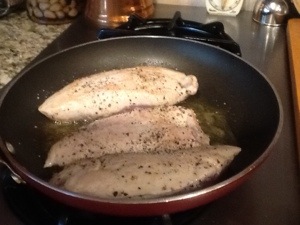
Low-Carb Chicken Piccata

My sister-in-law sent me this low carb recipe for piccata.
You can make it with turkey or chicken. It is actually quite good.
This particular time, I forgot to do what she suggested and cut
the fillets in half. Next time–makes for cooking through the
center of the meat faster. My husband ate a cutlet and he really
liked it. Consider serving with veggies, salad! Low
Carb Piccata
(about 4g of carbs per cutlet) •4
turkey or chicken cutlets (about 5-6oz each) •1/4 teaspoon! salt
•1/4 teaspoon ground pepper •1 tablespoon olive oil, divided •1
tablespoon butter •1 1/2 cup chicken broth •2 tablespoon shallots,
chopped •2 cloves garlic, minced •1 teaspoon flour •1 – 2
tablespoons lemon juice •1 tablespoon capers, drained •1 tablespoon
flat leaf parsley Sprinkle turkey with salt and pepper. Heat a
large skillet over medium high heat. Add 1 teaspoon oil to pan. Add
cutlets and cook 2-3 minutes per side or until done. Remove and
keep warm covered with a sheet of foil. Add remaining olive oil and
1/2 tablespoon of butter to pan. Add shallots and garlic cooking
for 1 minute. Stir in 3/4 cup broth. Bring to a boil and cook for 2
minutes, scraping sides of pan. Combine remaining chicken stock and
flour in a small bowl, stirring with a whisk. Add to pan and bring
to a boil. Cook 5 minutes or until liquid has reduced by half.
Remove from heat and stir in remaining butter, lemon juice, and
capers. Pour sauce over turkey and garnish with parsley.
Nutritional Information Calories: 298
Fat: 10g Saturated fat: 4.1g Monounsaturated fat: 4g
Polyunsaturated fat: 0.6g Protein: 43.3g Carbohydrate: 4.5g Fiber:
0.6g Cholesterol: 83mg Iron: 2.7mg Sodium: 414mg Calcium: 19mg
My Pictures

20131028-213846.jpg

20131028-213855.jpg

20131028-213910.jpg

20131028-213921.jpg

20131028-213930.jpg

20131028-213939.jpg

The Rules For Losing Weight

I have written about rules to lose weight.  Instead of writing them all over again, I will post them again from time to time.

Here are the links to the blogs I have written before about the RULES to lose weight.  Read for the first time or brush up!  Sometimes, we just forget and get into bad habits.

habits


https://skinny-rules.com/2013/03/13/ten-nutshell-rules-on-how-to-get-skinny-and-stay-skinny/

https://skinny-rules.com/2013/06/27/the-rules-work-10-rules-to-follow-and-you-can-still-enjoy-life/

https://skinny-rules.com/2013/01/30/10-rules-so-you-can-lose-about-10-pounds-a-month/

Portion Control for Weight Control

I wrote a blog about portion sizes and what you should eat if you want to see yourself lose weight.  Here is the link:  https://skinny-rules.com/2012/12/15/portiondistortion/

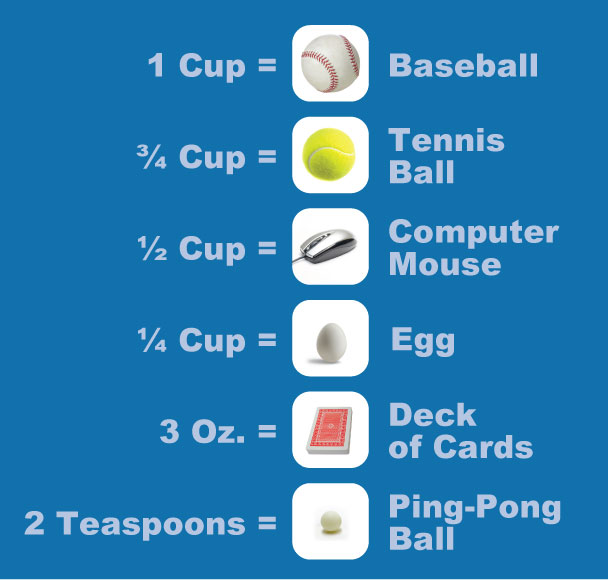
Here is another clip out for you to use to determine portion control: (I do suggest staying away from the Grains, the baked potatoes and raisins or any dried fruit for a diet)

Watch portion sizes and follow what I wrote in the above blog.  Also, remember to eat a protein portion about every 3-4 hours, have two small portions of veggies and 2 small portions of fruit per day.  Have two cups of salad, twice a day.  Watch your carb count in your salad dressing, as well.  Watch the carbs that you drink and try to keep that down. You should be able to lose weight if you follow these rules.  After a week or so, cravings go away.  I promise!

Portion-Chart