Food Can Be An Addiction

The idea that a person can be addicted to food has recently gotten more support from science.
20131004-000533.jpg

Experiments in animals and humans show that, for some people, the same reward and pleasure centers of the brain that are triggered by addictive drugs like cocaine and heroin are also activated by food, especially highly palatable foods. Highly palatable foods are foods rich in:

Sugar
Fat
Salt

The right combination of these three items causes addiction and many food companies have scientists who have figured this out and designed foods to “hook” people.

Like addictive drugs, highly palatable foods trigger feel-good brain chemicals such as dopamine. Once people experience pleasure associated with increased dopamine transmission in the brain’s reward pathway from eating certain foods, they quickly feel the need to eat again.

The reward signals from highly palatable foods may override other signals of fullness and satisfaction. As a result, people keep eating, even when they’re not hungry.

People who show signs of food addiction may also develop a tolerance to food. They eat more and more, only to find that food satisfies them less and less.

Scientists believe that food addiction may play an important role in obesity. But normal-weight people may also struggle with food addiction. Their bodies may simply be genetically programmed to better handle the extra calories they take in. Or they may increase their physical activity to compensate for overeating.

People who are addicted to food will continue to eat despite negative consequences, such as weight gain or damaged relationships. And like people who are addicted to drugs or gambling, people who are addicted to food will have trouble stopping their behavior, even if they want to or have tried many times to cut back.

Once you have managed to get through a diet, or weight loss, you will find that there are triggers that cause you to relapse and eat the wrong foods.

You will encounter triggers in the form of events, people, and subsequent emotions that will make you want to drink or get high again. What can you do in these situations?

5 ways of managing triggers during recovery from addiction:

1. Identify your personal triggers.

Everyone is different, so every recovering addict’s set of triggers will be different as well. Some common triggers are walking by a bar, seeing someone who is drunk or high, getting paid, the end of a grueling workday, getting into an argument with someone, and being bored.

2. Know what you are working with.

Triggers and cravings are a very real part of recovery. Do not try to fool yourself into thinking that they will not happen to you. Instead, know your triggers, stay open to anything that may surprise you, and have a plan for when you feel yourself being triggered.

3. Come up with and Prepare your trigger plan.

Role play, even just with yourself in the mirror, what you will do when you feel like using again. You may save yourself from a rough day, a temporary lapse, or a full relapse back to substance abuse.

4. Take care of yourself.

You can handle triggers more easily when you are eating and sleeping well, exercising, and remaining aware of your emotions.

Don’t allow yourself to be vulnerable to overbearing.

Watch out for H.A.L.T.:
Hungry, Angry, Lonely, Tired.
These four things are said to cause more lapses and relapses.

When you are taking care of yourself you can identify when you feel any of the four, and that is when you can take action.

Act, don’t React!

The trigger may be emotionally affecting you, but you will not act on it.

If you are hungry, you will eat. Tired? Take a nap or at least rest your eyes or meditate. Lonely and angry can be a little harder to manage, but phone a friend (or your sponsor) and talk it out.

5. Do not test yourself.

If you know that walking by a donut shop is a definite trigger for you, for example, then do not knowingly walk by one to see if your recovery is as strong as you believe it to be. Maybe that time you are able to avoid going into the shop. But the seed of a trigger is planted. Something else you have not identified yet as a trigger can occur, and the combination can lead you right to a donut.

There is no need to test yourself. When you identify your current triggers, are aware of what you are working with, practice a plan, and employ good self-care, you are managing your triggers during recovery from addiction.

Fall Into Dieting and Be Less Sick Too!

Fall or Autumn is now here.  Time to worry about colds and flu!  However, the things that you need to do to boost your immune system are very similar to the things that you need to do to lose and maintain weight.  If you start to do these things now, you will have a double benefit.

sugarsickandfat

Did you know that if you are eating a diet without simple sugars in it, you can boost your immune system?

  • Avoid sweets, desserts, white flour, refined grain products–all which turn into sugar quickly.  Studies have shown that refined sugars can suppress your immune system for hours after you have ingested them.

Other things you should do to Boost Your Immune System:

  • Drink plenty of fluids, especially warmer fluids.Consuming adequate fluids supports all of your bodies’ functions including the immune system.
  •  Make soups and broths (from scratch with fresh vegetables is always best) and have them throughout the week.
  • Drink herbal teas. Keep a bottle of filtered water with you at all times.
  • Avoid concentrated fruit juices and sweetened beverages, as the sugar content is harmful for the immune system. If you do drink juice, dilute it with 2/3 water! THIS ALSO WILL HELP YOU LOSE WEIGHT.
  • Try a daily saline flush. Along with staying hydrated, flushing your sinuses with mild salt water helps to keep mucous membranes moist which protects you from microbes. You can use a neti potor easy to carry plastic bottles that come with saline packets to take with you when traveling or even at the office! Be sure to rinse them well with warm water and soap and air dry between uses. Studies have also indicated that flushing one to two times daily is appropriate and you should not go over this.
  • Have protein with each meal. Proteins are the building blocks of the body. This includes your immune and detoxification systems. Organic, clean, and lean animal protein as well as plant-based (legumes, nuts/seeds) proteins are important to get with each meal and snack. About 6 lean protein meals a day, but small portions (4 ounces of meat, on average–the palm of your hand).  THIS ALSO WILL HELP YOU LOSE WEIGHT.
  • Add garlic, onions, ginger, and lots of spices (oregano, turmeric) to your meals! Add these to your soups and vegetable dishes, as well as bean dips and sauces. Garlic and onions offer wide spectrum antimicrobial properties.  THIS WILL ALSO HELP YOU LOSE WEIGHT.
  • Eat multiple servings of colorful fruits and vegetables high in vitamins C, A, and phytonutrients that support the immune system. Choose more leafy greens, cruciferous vegetables (broccoli, brussel sprouts, and cauliflower), peppers, sweet potatoes, and squashes. About 2 small servings a day, and you are better off avoiding the root vegetables due to the sugar content.  THIS WILL ALSO HELP YOU LOSE WEIGHT.
  • Get sufficient sleep! We all know sleep restores and heals the body. Without adequate sleep, optimal immune function is next to impossible! Get in a better rhythm and head to bed earlier on those dark winter nights. Aim for seven to eight hours of sleep a night. Getting too little sleep also will hurt your metabolism.  If you get enough sleep, THIS WILL ALSO HELP YOU LOSE WEIGHT.Get regular exercise. Mild to moderate exercise (for approximately 30-45 minutes) helps boost the immune system. Avoid overexertion such as training for endurance events when you are feeling run down. This will lower your immune defenses.  THIS WILL ALSO HELP YOU LOSE WEIGHT.

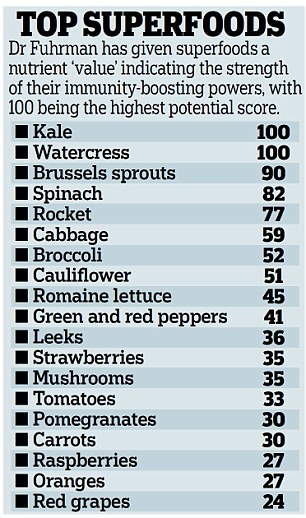
SUPERFOOD LIST:

superfoods

Healthy Restaurants Can Still Make You Fat

I saw an article today about how Chipotle has good organic food and grass-fed meat.  However, if you still eat one of their burritos, you are getting over 1,000 calories in one meal.  If you get a burrito there and have everything in it…the beans, the rice, the guacamole, etc.–it comes out to be over 100g of carbs.  That is the most you should have in a whole day if you want to lose weight.

menu_salad

I have written about this before, but I get double salad in a bowl, and I choose to not have the rice and beans (adding up to about 40g of carbs, all by themselves) and I have the cheese, the meat, sour cream, salsa, etc.  You have to pay attention to what you are ordering and what you are eating.

Here is the Chipotle calculator here, but I would think that the numbers are pretty much the same wherever you go.  http://www.chipotle.com/en-us/menu/nutrition_calculator/nutrition_calculator.aspx

I had a client who wanted to lose weight, who brought a giant chicken burrito into my office and she ate the whole thing.  This is why she has not lost weight.  It was two to three times the portion that she should have had.  She should have split it with her daughter, at the minimum!  It was there, so she ate it. But, if she keeps this up, not only will she never lose weight (will gain), but her daughter will eventually have weight issues too if she emulates mother’s overeating style.

Restaurants make big food.  You should always break down your food, put half in a box and then it is out of sight–out of mind.  Then, just eat the half in front of you.  It really is the right size portion that you should have had in the first place–unless you are a very active long-distance runner, an athletic man, etc.  But, most people are sedentary and not that large.  There is NO way they should be eating those adult-sized portions.  It is ok to order from the children’s menu, which actually is the appropriate size portion for the average eater.

AND THEN THERE ARE THE CHIPS:  Each chip is about 2g of carbs.  If you eat the bag of chips that comes with it, it is an extra 63g of carbs–empty calories!

And don’t forget, you can make your own burrito by using low-carb tortillas.  Here is the brand that Costco and other stores has, and it is very low carb.  Tastes good too.

smarttortilla

Choose wisely!!  Don’t suffer and miss out on foods, just realize the restaurants are giving  you high calorie crap and you have to be smart and pay attention to what you are eating.

Do You Know That Stress Can Make You Fat?

What’s so bad About Stress?

Under normal daily stress conditions, normal cortisol levels (stress hormones) help the body control blood pressure, blood sugar levels, and even inflammation. But, in prolonged stress. When stress becomes chronic, too much cortisol in the body wreaks havoc.

cortisol-chart2 copy

Signs & Symptoms of a Cortisol Imbalance

Chronically elevated cortisol levels may contribute to:

  • Thyroid problems
  • Cognitive decline
  • Sleep disorders
  • Anxiety & depression
  • Compromised immune function
  • Increased blood pressure

Do you think you’re a  victim of increased cortisol levels.  Speak to your doctor, but the following questions may help you discern if you’re suffering from a cortisol imbalance.

  • Do you suffer from depression, anxiety, nervousness or irritability?
  • Do you struggle with sleep waking frequently in the middle of the night, unable to get back to sleep?
  • Do you feel light-headed when standing up quickly?
  • Do you crave carbs?
  • Do you struggle with weight gain?
  • Do you have high blood pressure?

If you answered yes to more than one of those questions, you may have a cortisol imbalance.

Your doctor can conduct  a 4-point salivary test.  Saliva has been proven to be a better source of cortisol testing over blood and offers concrete results.

Tips for Controlling Cortisol Levels

You should always consult your physician when it comes to achieving healthy cortisol levels.

However, these lifestyle changes may be of help when dealing with a cortisol imbalance.

  • Eat REAL food. Limit or avoid packaged, processed and non-organic foods.
  • Avoid additives and dyes. Additives, preservatives, GMOs, dyes, food coloring, hormones, pesticides, and antibiotics increase the toxic load to the liver – adding stress to the body.
  • Avoid sugars. Cortisol causes gluconeogenesis, the production of sugar from non-carb sources – elevating blood sugar levels. Avoid a diet heavy in starchy carbohydrates and added sugars to help counteract the response of cortisol.
  • Eat healthy fats and/or Take Omega 3 Fish Oil. Omega-3 fatty acids, are anti-inflammatory and help counter the inflammatory effects of cortisol. Try adding a quality omega 3 fish oil into your daily diet.
  • Drink water! Water will help hydrate cells and detoxify the body. Stay hydrated!
  • Get Your ZZZ’s. Sleep is the most important thing when it comes to reducing cortisol and restoring the adrenal glands. Aim for  7-8 hours of sleep. Have trouble falling asleep?  Turn off all artificial light. Artificial light tricks the body into releasing more cortisol, suppressing melatonin, making it difficult to fall asleep.
  • Take a multivitamin daily.

Your doctor can conduct a test, but there are some saliva tests you can do yourself through online services like this one.

http://www.redlinepharmacy.com/store/hormone-test-kits.html

Diet Jealousy

boob-jealousy

You’ve given up most of those high-calorie foods you used to love. Exercised every day–even when you didn’t feel like it.  And finally, it’s all paying off–you’re edging toward your weight loss goal — and looking pretty great!

At the same time, you’ve encountered what seems like a surprising lack of enthusiasm or irritating remarks from some of your family and friends — maybe even your partner — about your new look.

As unusual as this may seem, experts say it’s actually quite common to receive some unexpected reactions when you dramatically change your appearance.

“Human beings are hard-wired to resist change, so it’s not uncommon to encounter some resistance whenever change occurs,

When we accomplish a goal — particularly something as difficult as losing weight– it may serve to remind friends and family of their own failed attempts.  That, too, can spark a bad reaction.

MY OWN EXPERIENCE OF JEALOUS NEGATIVE REACTIONS:

I work harded hard at my weight loss and maintenance is a daily routine.  If I lose sight of it, I would gain it back.  So, I have found ways to eat that I enjoy and I embrace my new way of life.  The old way didn’t make me happy.  I left restaurants feeling bloated and stuffed.  I felt bad trying on clothes and I didn’t like how I looked in my clothes.  I spent times not wanting to go out to social occasions because I didn’t want to be the fat lady at the party.
I worked hard to lose the weight.  I learned the rules, learned how to look at carbs and learned what foods had proteins, fiber and carbs.  I work them daily into my diet.  This took time and effort.  It was not an overnight success.  It wasn’t like after a week of hard work, that I suddenly lost the weight.  I also had to kick my exercise up a notch to burn off calories.  I work out more now than I ever have and I do it because it makes me feel strong and it helps me stay skinny.
Sometimes, I will run into someone who remembers me being fat.  They knew I was on a diet and saw me losing and they even asked me how I did it.  I freely shared the information, but some thought that there was no way they could do it and they gave up before they even tried to do it.  This is an issue in that some people grow resentfu that you could do it and they didn’t have it in them to try.
So, then, in some ways, my weight loss becomes a symbol of their inability to accomplish their goals, so they may begin to act resentful — or even act mean to me — even if it is not intentional.  And if their goes involved weight loss, then the resentment can be twice as strong.

If it is a friend who is resentful, you may find that they are suddenly excluding you from activities,.  Some friends or family can even say mean things, taunt you about your new body or even your new clothes.  And some people who are servers at restaurants or work in exercise studios–or even are members of the same gym you belong to, can treat you in a resentful mean way.

TODAY’S JEALOUS NEGATIVE REACTION:

I went to Western Bagel today for and had a post-Pilates Perfect 10 Egg a la Bagel (Egg, cheese, meat and a 10g net carb bagel).  My special treat for breakfast.  I used to have these all of the time, but I now only allow myself something this large once a week and after a hard workout.  I need energy for the morning because I have clients coming in for the next four hours straight.  This woman, asked me tons of questions about how I was losing at the time I was losing weight.  But, then I lost it, and following that for the next 18 months, she always asks me, “So, you are still on that diet???”  I remember her saying she wanted to lose weight when I was slowly losing, but after seeing me keep it off for two years now, she is pissed off seeing me thin.  It was great when I was fat and trying to lose, but being thin and keeping it seems to be pissing her off.

I find myself wanting to tell her to shut up already.  I want to go in and just order my f’ing bagel.  I now find myself hating going there because she might be there and sure enough, she was there.  She asked me again today about, “So, you are STILL on your diet?”  I answered (for the fourth time now), “I am not on a diet, this is my lifestyle and how I eat and how I want to look.”  She then made a face at me like she was in horror!  And she said as she grabbed her two belly folds, “Well, I like how I look and I feel good, so I am ok.”  It was then apparent to me that it was an issue about her, not me.  She doesn’t give a crap about me.  She is a lady at the bagel shop.  She doesn’t even know my name.  There is no happiness or concern for me.  She is feeling resentful and frustrated with herself.  So, I said, “I had reflux, I lost the weight, and it is gone now.  I can’t have a belly or I get sick.  I am happy this way and I want to stay this way.”  So, that was my end of story comment and she nodded.

Will she bring it up again if I go back?  I think she might!  However, I have to remember this is about her. not me.   I will be prepared in the future and say, “I think we shouldn’t discuss my diet anymore.  It is what it is.  I am happy and healthy and that is all that matters”  Because I am sick of it and she should be too.  What can I do?  I will not put on weight for her to feel happier with her issues.  I am very happy with my body and my work.  My husband compliments me and I know that the people who really care about me and don’t have issues say I look good.  My clothes fit well and that was the goal!

HOW TO COUNTERACT JEALOUS NEGATIVITY:

I just have to remember  how I  would feel in a similar situation, or maybe how I felt when others lost weight and you couldn’t,  If I put myself in their place, then I can see that the resentment is all about them and not about me.  I am just a mirror of what they did not commmit themselves to do.

If you ever find yourself being one of the resentful ones, you have to ask yourself what is holding you back.  Anyone can lose weight.  You have to follow the rules.  Stop saying you can cheat once a week and eat a whole slice of cake.  Stop baking cakes in your house, because you will be tempted to eat more than a small piece.  If you have to cheat, there are alternative ways to bake items using almond flour, unsweetened cocoa, coconut oil, Truvia, Stevia, etc.  You can make these things.  Google recipes.  Don’t be lazy.

You can also buy a small piece of something bad to have once a week.  However, I have seen some people on diets recommend to people to have these cheats in the house and it is a terrible idea.  It sets you up for temptation.  And the people who recommend these things are usually still overweight.  I am at goal, I stay at goal.  I think I know what it takes.  And if you don’t follow these rules, then don’t get mad at me when I come up to you and order an Egg a la Bagel!  It is not my fault that you put a batch of brownies in your house and they are calling your name!

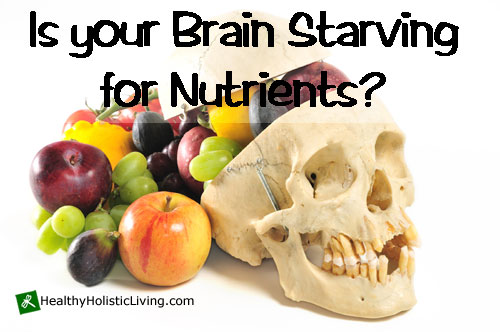
Eating Too Much or Too Little Food Can Mess Up Your Waistline and Brain

If you are not eating a balanced diet, it can affect your brain, as well as your waistline.

brainfood
1. No Breakfast

People who do not eat breakfast are going to have a lower blood sugar level.  This not only messes up your metabolism, but this leads to an insufficient supply of nutrients to the brain causing brain degeneration.

2. Overeating

It fat deposits, and it causes hardening of the brain arteries, leading to a decrease in mental power.


3. High Sugar Consumption

Too much sugar will put on fat and interrupt the absorption of proteins and nutrients causing malnutrition and may interfere with brain development.

Mexican Food, Si or No?

I rarely step into a Mexican restaurant since I started my life change (diet).  What is there to eat there?  Dozens and dozens worth of carbs in almost every meal.  Everything is tortilla, taco shell or chip based.  I am trying to avoid wheat products and corn products.  They make me sick (and Corn is mostly genetically modified now) and they are full of carbs.

Let’s look at a few popular places (some healthier than others) and the carbs in each chicken burrito.

El Torito:  123g of carbs.

El Pollo Loco:  63g of carbs.

ONE flour tortilla is anywhere from 14g of carbs to 35g of carbs…all by itself.  The beans and rice only add cobs more.  If you want to gain weight, this is the way to go.  Whole wheat is healthier, but unless it is “low-carb”, it is still a lot of carbs.

MY SOLUTION:

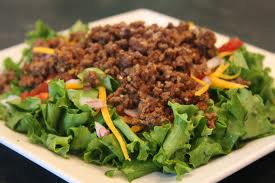
So, I went to a local hangout, Mission Burrito and to a fast food place, Taco Bell.  I ordered a tostada or taco salad (depending on the place) and asked for no beans, rice or tortilla.  I got beef, lettuce, cheese, tomato, (guacamole or sour cream) and some taco dressing.  The carb count was about 8 grams and it was still delish.  It is kind of like a tostada PROTEIN style.  And this is GLUTEN FREE!

If you do it at home, and you get a low-carb tortilla (like they have at Trader Joes and Costco), you are looking at about 4g net carbs for the whole shell vs. 14-35 for a regular one and it tastes just as good.

TACO SALAD without the shell:  8g of carbs–Shut the front door!  Beef or chicken!  DELISH!

tacosalad

TACO SHELLS

And taco shells?  About 20g of carbs per three.  You can have one or two, or if you have three, you need to watch your carbs the rest of the day. AND for SOFT taco shells?  It is about 20g of carbs for only ONE!  So, watch it.

So, you can eat at a Mexican food place if you go this route.  Those shells will kill your diet.  Remember:  You need to stick between 50 and 100g of carbs per day to lose weight, with 6 protein meals a day, 2 small salads a day, 2 small fruits a day, 4 small servings of veggies per day….and if you go over 100g per day, no weight loss for sure!

Bread’s Lying Labels Can Make You Gain Weight and be UNhealthy

Multi-Grain and Wheat Breads

Terms like multi-grain, 7-grain, and wheat sound healthy, but they may  NOT actually contain heart-healthy whole grains.

Many breads labeled “multi-grain” and “wheat” are typically made with refined grains, so you’re not getting the full nutritional benefit of the whole grain.

Read nutrition labels carefully. If the first flour in the ingredient list is refined (it will typically say “bleached” or “unbleached enriched wheat flour”), then you are not getting a 100% whole-grain bread.

Regardless, breads have high carb numbers.  On my plan, you can have one slice of toast per week in place of a fruit–instead of the two small fruit servings per day.  However, when I eat wheat, I tend to either get bloated, stuck in my weight or gain weight.  Read this book to find out wheat is making you fat.  http://www.amazon.com/Wheat-Belly-Lose-Weight-Health/dp/1609611543

wheatbellybook


Wheat Can Cause Illnesses and Disease


“–Accumumulation of inflammatory visceral fat (a “wheat belly”),
Hyperglycemia (high blood sugar), insulin resistance, pre-diabetes, diabetes
Gastrointestinal disruption–acid reflux/heart burn, esophagitis, esophageal stricture, bowel urgency/irritable bowel syndrome, worsening of inflammatory bowel disease (ulcerative colitis, Crohn’s disease)
Neurological impairment–from mind “fog” and behavior outbursts in children with autistic spectrum disorder and ADHD, to paranoia and hallucinations in schizophrenia, to food obsessions in those prone to bulimia and binge eating disorder, to triggering of mania in bipolar illness, to depression in the depression-prone. Also add cerebellar ataxia, peripheral neuropathy, and dementia to the list (“gluten encephalopathy”).
Joint pain and arthritis–Including both “wear-and-tear” osteoarthritis as well as inflammatory forms like rheumatoid.
Autoimmune diseases–The peculiar potential for the gliadin protein of wheat to “unlock” the normal intestinal barriers, allowing foreign antigens access into the bloodstream, is the first step in autoimmunity, the immune system’s misguided effort to eliminate the “intruder,” such as your thyroid gland, colon, small intestine, synovial lining of your joints, skin, thymus, liver, pancreas, even brain.
Skin disorders–Skin rashes and damage from wheat are as varied as they are ubiquitous. There is hardly a skin condition that is not caused by wheat. (Not to say that all skin conditions are caused by wheat–they are not, but that, of all the myriad skin conditions experienced by humans, virtually all have been associated with wheat consumption.) This ranges from the level of nuisance, such as acne, to the level of life-threatening, such as leg gangrene.”

taken from:  http://www.wheatbellyblog.com/2013/02/celiac-is-not-a-disease/


My Advice on Eating Wheat

Don’t do it or make alternative choices and do it minimally.

I had a wheat belly and I had people always asking me when my baby was due.  (Never had a baby in there!).  I gave up wheat and no one asks anymore.

belly

I know it is hard and you can get used to it.  Wheat products are designed to cause your brain to be addicted to them.  This is especially true of cereal products.  There is just enough designed ingredients to go to the pleasure center of your brain to cause that addiction, making it hard to get clean from its use.  It is like heroin, but cheaper and easier to get–and legal too.

breadheroin

There are alternatives that I like.

These 3 alternatives might not be healthy, but you can remain on your diet

1.  Find a low carb bread like Ezekiel, Sara Lee’s 90 calorie bread choices, etc.  If a slice of bread is more than 15g of net carbs, you might not want to eat it.  Imagine.  Eating a sandwich that has over 30g of carbs and you don’t want to get more than 50g to 100g of carbs per day to lose weight or maintain.  Then, you have to be super careful and picky in your choices the rest of the day.

2.  Western Bagel Perfect 10 bagel has only 10g net carbs and is perfect for a make-shift sandwich.  I love them, but I limit them.  Wheat can bloat you and if you read the Wheat Belly book, you will understand why that is a fact.

3.  Low-Carb Tortillas.  My favorite ones are at Costco and Trader Joes.  Around 4g net carbs.  I make a pan-fried turkey tomato, low-fat sour cream and low-fat cheese tortilla and it is delish.  Takes only minutes and under 10g of carbs for the whole delicious thing.

I have written blogs on these items in the past and showed recipes and my creations.  Any questions, please write.


Juice Drinks: Healthy and Diet Friendly?

I thought that I was eating so healthy when I was gaining weight and when I was about 40 pounds heavier and dying to lose weight. I had my facts all messed up. I guarantee that you have the facts wrong too. Let’s look at some “healthy” foods, which are not so healthy and how they also are making you fat.

Today we will start with one Not So Healthy Food, JUICE DRINKS

Have you ever looked at the labels on your fruit drinks?

Bottles mention serving size at the top of their nutrition label. You might think that the whole bottle is a serving size, but actually if there are two or three servings in one bottle, then you have to multiply the label information by the amount of servings in it–if you plan to drink the whole bottle (as many of us do).

I know someone who thinks that Odwalla and Naked Juice is good for their diet. In those drinks, the fruit is genetically modified and that is a whole other health issue.

Fruit is not the only ingredient in those bottles, and many of the other ingredients are not good for you. The amount of carbs and sugar in one serving is usually staggering. I believe that in my example’s one serving, there was about 50 or more grams of carbs–and he drank more than one serving (the whole bottle). There was the equivalent of about 11 whole sugar cubes in his drink. Would you willingly eat 11 sugar cubes?

Naked juice was in the news recently for getting in trouble for labeling their product as “all natural,” when it isn’t. These products are not honest. Now, they have to remove that from their label.

Jamba Juice is another scary choice. Between too much fruit (fructose sugar), sherbet or ice cream, and milk—a serving can be about 100g of carbs. The lighter versions, “Fit and Fruitful” have about 50g. And to rub salt I to the wound, there is usually only one gram of protein. Yes, you can add protein to your smoothie, but you are still drinking a lot of carbs. You could have had a cheeseburger on a bun for less carbs and you are choosing a smoothie instead?

If you want to maintain your weight or lose weight, you should consider between 50g and 100g per day. You wind up blowing most of your day’s carbs on this one drink and it will also cause a massive sugar mood roller coaster ride. You will be really tired later, when the roller coaster comes down and you are now craving more hair of the dog that bit you–sugar. And if you don’t follow the rules of 6 proteins every 3 to 4 hours, two servings of fruit a day and four servings of vegetables (no starches) per day, then your weight loss will be questionable. You need protein to lose weight, gain muscle and to fend off hunger cravings. These smoothies will not do the job.

For those of you who argue that fruit is healthy, yes to is, but not squeezed from large quantities and without pulp and especially not if the fruit is genetically modified.

INSTEAD: Eat two small cup-sized servings of organic fruit a day. Berries and citrus are the lowest in carbs. Have one earlier in the day with your protein and one later in the day with a protein. Or make your own smoothie with the right amount of fruit, protein powder, some almond milk and lots of ice. Heck, throw some spinach in too. It is all blended and tastes great. You can even throw in a little Splenda, Truvia or Stevia.

Sugar Makes You Fat and Does Other Bad Things To Your Body Too

Excessive sugar in the diet is not the best idea when it comes to healthy living.  Many people are consuming sugar in higher than moderate amounts.  Worldwide, people we are consuming about 500 excess calories a day, just from sugar–which in turn, can cause you to gain a pound a week.

sugar-silent-killer

Sugar Also Can Do Damage in Other Ways:

1. Sugar can damage your heart
A 2013 study in the Journal of the American Heart Association displayed strong evidence that sugar can actually affect the pumping mechanism of your heart and could increase the risk for heart failure. The findings specifically pinpointed a molecule from sugar (as well as from starch) called glucose metabolite glucose 6-phosphate (G6P) that was responsible for the changes in the muscle protein of the heart. These changes could eventually lead to heart failure. Approximately half of the people that are diagnosed with heart failure die within five years.

2. Sugar specifically promotes belly fat
Adolescent obesity rates have tripled in the past 30 years and childhood obesity rates have doubled. . One factor that seems to inflict obese children is fat accumulation in the trunk area of the body. Why? One cause may be the increase in fructose-laden beverages– — setting the stage for a big belly and even bigger future risk for heart disease and diabetes.

sugar-deserves-a-societal-intervention

3. Sugar is the true silent killer
Move over salt and hypertension, you’ve got competition. Sugar, as it turns out, is just as much of a silent killer.  A 2008 study found that excess fructose consumption was linked to an increase in a condition called leptin resistance. Leptin is a hormone that tells you when you’ve had enough food. The problem is, we often ignore the signal our brain sends to us. For some people though, leptin simply does not want to work, leaving the person with no signal whatsoever that the body has enough food to function. This in turn can lead to over consumption of food and consequently, obesity. And this is a silent killer because it all happens without symptoms or warning bells. If you’ve gained weight in the past year and can’t quite figure out why, perhaps you should look at how much fructose you’re feeding your body.

4. Sugar may be linked to cancer production and may effect cancer survival 
In the world of nutrition, it’s hard to talk about sugar without talking about insulin. That’s because insulin is sugar’s little chaperone to the cells, and when too much of it is consumed, or our insulin does not work (probably because we’re eating too much sugar) and the body revolts. One connection that has been well documented in the literature is the link betweeninsulin resistance and cancer . A 2013 study found that sugars in the intestine triggered the formation of a hormone called GIP (controlled by a protein called β-catenin that is completely dependant on sugar levels), that in turn, increases insulin released by the pancreas. Researchers found that β-catenin may in fact affect the cells susceptibility to cancer formation.

5. Your sugar “addiction” may be genetic
If you’ve ever said, “I’m completely addicted to sugar,” you may actually be correct. A recent study of 579 individuals showed that those who had genetic changes in a hormone called ghrelin consumed more sugar (and alcohol) than those that had no gene variation. Ghrelin is a hormone that tells the brain you’re hungry. Researchers think that the genetic components that effect your ghrelin release may have a lot to do with whether or not you seek to enhance a neurological reward system through your sweet tooth. Findings with this study were similar to study conducted in 2012 as well.

6. Sugar and alcohol have similar toxic liver effects on the body
A 2012 paper in the journal Nature, brought forth the idea that limitations and warnings should be placed on sugar similar to warnings we see on alcohol. The authors showed evidence that fructose and glucose in excess can have a toxic effect on the liver as the metabolism of ethanol — the alcohol contained in alcoholic beverages had similarities to the metabolic pathways that fructose took. Further, sugar increased the risk for several of the same chronic conditions that alcohol was responsible for. Finally, if you think that your slim stature keeps you immune from fructose causing liver damage, think again. A 2013study found that liver damage could occur even without excess calories or weight gain.

7. Sugar may sap your brain power
Sugar may have accelerated the aging process. A 2009 study found a positive relationship between glucose consumption and the aging of our cells.  Aging of the cells consequently can be the cause of something as simple as wrinkles to something as dire as chronic disease. But there is other alarming evidence that sugar may affect the aging of your brain as well.  A 2012 study found that excess sugar consumption was linked to deficiencies in memory and overall cognitive health.

8. Sugar hides in many everyday “non-sugar” foods
While many of my patients strive to avoid the “normal” sugary culprits (candy, cookies, cake, etc.), they often are duped when they discover some of their favorite foods also contain lots of sugar. Examples include tomato sauce, fat-free dressing, tonic water, marinates, crackers and even bread.

9. An overload of sugar (specifically in beverages) may shorten your life
A 2013 study estimated that 180,000 deaths worldwide may be attributed to sweetened beverage consumption. The United States alone accounted for 25,000 deaths in 2010. The authors summarize that deaths occurred due to the association with sugar-sweetened beverages and chronic disease risk such as diabetes, heart disease and cancer.

10. Sugar is making us fat
The lack of other nutrients in sugar actually makes it much easier to eat gobs of it with no physical effects to warn us of the danger that lurks. Sugar will give you the calories, but not the feeling that you’ve had enough. That’s why you can have an entire king-size bag of licorice (with its sky high glycemic index) at the movies and come out afterwards ready to go for dinner.

Answer:  You have to cut down on the sugary snacks, beverages and foods (Honey Nut Cheerios) and you need to start eating more foods that focus on  better nutrients.  Foods rich in fiber, fat and protein  all have been associated with increased fullness.

Eat meat, fish, cheese, low-fat Greek Yogurt, vegetables, salad, and in moderation–beans, nuts and seeds, whole grains, and fruits.