I Want To Lose Weight, But I Can’t Seem to Do It With My Chips and Ice Cream!

I was talking with someone the other day about losing weight.  They have a desire to do it, but they aren’t willing to learn new habits.  They are in a rut.  They need to re-learn how to eat a healthy lifestyle diet and not just eat foods for a “diet.”  These people want to “nosh” on things when they are home, and they are all comfort foods:  Chips, crackers, ice cream (low-fat).  Their health is not as important as that need to satiate their addiction to carbs, sugar, salt and fat

Wrong  Philosophy Makes You Stay Fat:

chips

If you are eating potatoes of any kind (chips included), and you aren’t putting in any exercise, then you will not lose weight.  You most likely will gain.

Some people think that if food is from Trader Joe’s, that it is good for them.  However, if items have flour in them and are processed, no matter where they are from…they are not good for your diet.

Some people think that low-fat is good way to diet.  I have news for you, NOPE!  Read about it online.  It is an advertising scam that we all fell for and that is why everyone got fat.  We eat low-fat, but they replace things in food to taste good that are high in carbs to make up for it (like Fructose Corn Syrup) and that is the stuff that is making us all fat and getting diabetes.

If you read anything that Dr. Mark Hyman writes about in his Blood Sugar Solution, he talks about how you need to eat food that is fresh and covers a wide variety of colors in the rainbow–eat, not juice and drink.

Let’s look at Empty Calorie Snacks:

1.  Lay’s Baked Potato Chips:  1 ounce bag or about 15 chips:  24g of carbs

2.  Ruffles Potato Chips: 1 ounce bag:  15g of carbs and believe it or not, the light, no fat is more at 17g carbs.

3.  Cheese Its Crackers:  29 crackers:  20g of carbs. (Reduced fat is the same)

4.  Trader Joe’s Mini Cheese Sandwiches:  13 crackers:  16g of carbs

5.  Trader Joe’s Multigrain Crackers:  14 crackers:  22g of carbs.

(AND THERE IS LITTLE TO NO PROTEIN in crackers, so you are eating empty calories.  If you ate something good that had protein, you would be less likely to be too hungry again later and scarf your next meal.  You would be better off making a turkey sandwich on whole wheat or a pita, for the same amount of carbs than to eat a bunch of white flour that does nothing but bloat you.  Eating mindlessly does nothing to help your diet or your health.  If you learn to have a nutritional snack between lunch and dinner and after dinner and stay away from snacking on bad foods, you will feel and look better.)

6.  Dreyer’s Reduced Fat Slow-Churned Vanilla Ice Cream (12g of sugar or about 4 sugar cubes):  for half a cup (have you seen how small half a cup is???):  15g of carbs.  If you eat it like most people, you are probably eating 1 1/2 cups at 45g of carbs.  The three main ingredients of this are all forms of sugar.

Fat doesn’t matter!  THE REGULAR DREYERS is 16g per half a cup.  You are NOT going to keep your weight down with the slow churned REDUCED fat ice cream.

Carbs-are-killing-you-top-Hoboken-NJ

Better Choices:

1.  There is Breyers Carb Smart Vanilla ice cream and that is a better choice if you have to have ice cream.  It is 4g of carbs per half cup.  That is a huge difference.  Less carbs means less sugar–less fat on the body.

2.  A low-carb tortilla or sandwich bread protein sandwich.

3.  A protein salad.

4.  Western Bagel Perfect 10 Bagel at 10g of carbs per bagel.  You could even melt some cheese on it!  Make your sandwiches with it! (sold at Western Bagel or Westernbagel.com)

5.  A low-carb protein bar or shake.

6.  Two low-fat string cheese or slices

7.  Low-carb Greek Yogurt and some fruit

8.  Measured out nuts (look at the label on how many nuts equals how many carbs).  Try to keep your snack under 15g of carbs, which is a lot, considering that if you want to lose weight, you must have between 50 and 100g of carbs per day.  But, if you have most of them in this one snack, it messes up your whole day.

Eat a good protein lunch with salad and veggies so you aren’t starving before dinner and a protein snack will be enough for you until dinner time.

Try this:

(LC) A low-carbohydrate diet minimizes sugars and starches, replacing them with foods rich in protein and healthy fats.

(RF) “Real food” means choosing foods that humans had access to throughout evolution. Processed, unnatural foods with artificial chemicals are avoided.

LCRF is not a “diet.” It is a way of eating, a lifestyle change based on bulletproof scientific evidence.

For more information:

http://authoritynutrition.com/how-to-eat-healthy/


The Skinny on Healthy Skin Food

Here’s how to keep your skin looking radiant and your waistline trim.

Make sure you’re eating at the right time. Space your meals out evenly throughout the day (so don’t skip breakfast and don’t wait more than three to four hours between eating). This keeps your blood sugar stable and helps protect your skin’s collagen and elastic tissue.  Stick to protein meals (eggs, meat, milk, nuts, some veggies)

For periodic breakouts, cut back on dairy products, which have been linked to acne; just be sure to get your calcium elsewhere. If you can’t break your dairy habit, reach for skim milk (even better: soy or almond milk).  Almond milk is lower in carbs too.

If you suffer from rashes or redness, cut back on pickled and fermented foods (including tofu, soy sauce, sausage, and beer), as well as foods that stimulate the production of histamine (like egg whites, seafood and shellfish, and nuts). If you consistently choose face-friendly foods but you’re still struggling with breakouts, rashes, or other skin issues, another health condition may be to blame, and it may be time to make an appointment with a doctor to discuss your concerns.

Eating your way to better skin doesn’t have to be boring. In fact, eating pizza (when it’s light on the cheese, heavy on the tomato sauce, and loaded with veggies) can whip your skin into Cover Girl shape.

Fast food is not good for the skin.  Sugary foods, fatty foods, fried foods and processed foods are not good for the skin.

Here is a chart of healthy skin foods:  Keep portions in control, especially the carby carrots and sweet potatoes.  (Remember: Two portions of veggies a day and two portions of fruits a day.  6 portions of protein a day.)

healthy-skin-food.jpg

Junk Food is BAD for your Health and DIET

junkfoodcalm

Heard the saying?  “You are what you eat!”

I admit that now and then, I have junk food.  But, I am very particular what I do have.

If I go to Taco Bell, I have the beef or chicken taco salad with only cheese, sour cream, lettuce, beef, salsa.  Or a burger, protein style at Carl’s Jr or In and Out burger.  Or a fast food salad if my choices are slim and I watch the carbs in it.  But, overall, most of those food items are cheap, not organic and not that healthy.  I also might order low-carb pancake mix or pasta now and then to have something that tastes “good”, but isn’t as bad as the regular version.  Bacon and sausage have nitrates and that is not good for you, but I keep it limited.

However, if you eat well, your gut will run well.  I know that since I have been careful about food choices and cut down on carbs, my irritable bowel and my heartburn has gone away.  My churning gut, filled with gas-producing items and bad balances was actually making me sick and this could have led to further health issues and complications down the line.

This following article is about how what we eat affects everything.  We can’t just eat whatever we want based on desire or taste.  We can’t eat Hawaiian rolls for breakfast, pizza for lunch and Panda Express for dinner.  All of these items are filled with preservatives, white flour, gluten, sodium, major carbs and calories and little protein and nutrients.  We are supposed to eat to live, not live to eat.

http://www.theatlantic.com/health/archive/2013/10/what-we-eat-affects-everything/279922/

And gut flora and bacteria are issues in how well your brain works.  There are studies as well, that show that the first 20 days of a baby’s gut flora and the foods they get can affect whether they are prone to autism or not.  http://articles.mercola.com/sites/articles/archive/2013/06/20/gut-brain-connection.aspx

There are 4 types of foods that help keep a healthy gut:

1.  Foods with fiber (get at least 25g a day):  citrus fruit, , leafy greens and yellow vegetables and food with fiber.

2.  Foods that help the good bugs:  yogurt, sauerkraut, miso, bananas, garlic, asparagus, onions.

3. Choose foods that soothe: caraway, cardamom, cinnamon, cumin, fennel, ginger, mint, nutmeg, oatmeal.

4. Eat foods to flatten your tummy: avocado, brown rice, dark chocolate, nuts, oatmeal, olive oil, seeds.  (Keep in mind that these foods are higher in carbs, be mindful of measuring.

Eat fresh, healthy foods and you will feel and look better too.  It affects EVERYTHING!

Frozen Burgers Are Diet-a-licious!

There are a lot of people who work a lot and are in a hurry, but get really stuck on what to do for a quick protein to eat every 3-4 hours throughout the day.

Protein ideas:

I have written a lot about protein ideas, such as eggs, low-fat cheese, nuts (measured), low-carb protein bars, low-carb and high protein shakes, and different meats.

Sometimes people want a patty or a burger (without the bun).  Trader Joe’s (and other stores) have plenty of frozen foods that are a great selection for low-carb and high protein foods.

I have seen beef burgers, buffalo burgers, turkey burgers, chicken burgers and even Mahi-Mahi burgers.  These foods can be served with vegetables and it is like having a delish cooked food, but it can be grilled quickly or even microwaved because they are cooked and frozen and ready to go.  I have had them.  YUMMY!

In a quick amount of time, you can have a good lunch or dinner meal.  Kids and adults can enjoy them.  Yes, there is sodium in them to freeze them, and are not as “healthy” as a fresh piece, but you will not be doing it daily and you sometimes need this because they are good for a DIET.  They are extremely low-carb–barely 1 or 2 carbs per item.  Check out the boxes next time you are shopping.

meattj

Food Can Be An Addiction

The idea that a person can be addicted to food has recently gotten more support from science.

20131004-000533.jpg

Experiments in animals and humans show that, for some people, the same reward and pleasure centers of the brain that are triggered by addictive drugs like cocaine and heroin are also activated by food, especially highly palatable foods. Highly palatable foods are foods rich in:

Sugar
Fat
Salt

The right combination of these three items causes addiction and many food companies have scientists who have figured this out and designed foods to “hook” people.

Like addictive drugs, highly palatable foods trigger feel-good brain chemicals such as dopamine. Once people experience pleasure associated with increased dopamine transmission in the brain’s reward pathway from eating certain foods, they quickly feel the need to eat again.

The reward signals from highly palatable foods may override other signals of fullness and satisfaction. As a result, people keep eating, even when they’re not hungry.

People who show signs of food addiction may also develop a tolerance to food. They eat more and more, only to find that food satisfies them less and less.

Scientists believe that food addiction may play an important role in obesity. But normal-weight people may also struggle with food addiction. Their bodies may simply be genetically programmed to better handle the extra calories they take in. Or they may increase their physical activity to compensate for overeating.

People who are addicted to food will continue to eat despite negative consequences, such as weight gain or damaged relationships. And like people who are addicted to drugs or gambling, people who are addicted to food will have trouble stopping their behavior, even if they want to or have tried many times to cut back.

Once you have managed to get through a diet, or weight loss, you will find that there are triggers that cause you to relapse and eat the wrong foods.

You will encounter triggers in the form of events, people, and subsequent emotions that will make you want to drink or get high again. What can you do in these situations?

5 ways of managing triggers during recovery from addiction:

1. Identify your personal triggers.

Everyone is different, so every recovering addict’s set of triggers will be different as well. Some common triggers are walking by a bar, seeing someone who is drunk or high, getting paid, the end of a grueling workday, getting into an argument with someone, and being bored.

2. Know what you are working with.

Triggers and cravings are a very real part of recovery. Do not try to fool yourself into thinking that they will not happen to you. Instead, know your triggers, stay open to anything that may surprise you, and have a plan for when you feel yourself being triggered.

3. Come up with and Prepare your trigger plan.

Role play, even just with yourself in the mirror, what you will do when you feel like using again. You may save yourself from a rough day, a temporary lapse, or a full relapse back to substance abuse.

4. Take care of yourself.

You can handle triggers more easily when you are eating and sleeping well, exercising, and remaining aware of your emotions.

Don’t allow yourself to be vulnerable to overbearing.

Watch out for H.A.L.T.:
Hungry, Angry, Lonely, Tired.
These four things are said to cause more lapses and relapses.

When you are taking care of yourself you can identify when you feel any of the four, and that is when you can take action.

Act, don’t React!

The trigger may be emotionally affecting you, but you will not act on it.

If you are hungry, you will eat. Tired? Take a nap or at least rest your eyes or meditate. Lonely and angry can be a little harder to manage, but phone a friend (or your sponsor) and talk it out.

5. Do not test yourself.

If you know that walking by a donut shop is a definite trigger for you, for example, then do not knowingly walk by one to see if your recovery is as strong as you believe it to be. Maybe that time you are able to avoid going into the shop. But the seed of a trigger is planted. Something else you have not identified yet as a trigger can occur, and the combination can lead you right to a donut.

There is no need to test yourself. When you identify your current triggers, are aware of what you are working with, practice a plan, and employ good self-care, you are managing your triggers during recovery from addiction.

The New U.S. Healthcare is Focusing on Obesity and Counseling

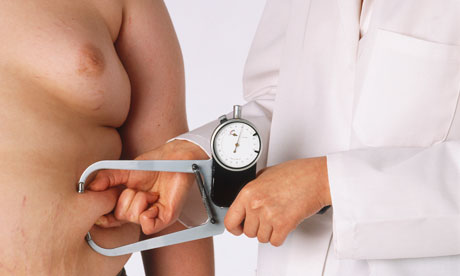
Starting in January 2014, any insurance plan you can buy in your state’s Marketplace includes a free obesity screening test. Your health care provider will use your weight and height to find your body mass index, called your BMI. A BMI of 25 or higher is overweight. A BMI of 30 or more is obese.

Image

If you get the screening test and your weight is in the obese category (BMI 30 or more), you will qualify for free counseling to lose weight, between 12-26 sessions.

The type of counseling differs depending on the plan. Some people might get one-on-counseling in person or on the phone. Others might get counseling in a group or through existing programs, like Weight Watchers.

Check your plan’s summary of benefits to see the details on what’s offered.

Whether healthcare plans will cover weight loss treatment, medications, surgery, etc.  depends on the state. Each state has to cover certain essential benefits, but they get to decide what’s included in them. Some states include obesity treatments in their essential benefits. Some don’t.  You may have to have a BMI of 40 or higher to qualify. Or you may be able to qualify if you have a related condition — like diabetes– and a BMI of 35 or above.

Check with your state coverage:  http://www.webmd.com/health-insurance/state-marketplace-map

Stuck Weight Loss

Looks like a miracle happened.  My dog, Charlie, is doing better, his cytology test came back clean–no cancer.  So, it might have been a bug bite.  Makes me appreciate him even more because I feel like I got a second chance.

Now, back to business…..

While all of the worry and stress about his living or not was going on, I decided to do something about my weight plateau.  My body does not do well on carbs and wants to gain weight easily (with having fibromyalgia and hypothyroidism).  So, I had to get closer to 50g of carbs per day because closer to 100g per day, was putting the weight SLOWLY back on.  So, this is what I did to break it and so far, since Sunday, down 2 1/2 pounds.  I am 5 pounds from goal.

1.  Lots of sugar-free fluids.

2.  Only proteins at breakfast and for snacks.  I was having eggs and omelettes with mushrooms, spinach and some low-fat cheese.  I was also having protein shakes that were low carb.  So, basically for breakfast, snack, after lunch snack–hardly any carbs.  For lunch, salad with meat and a few veggies and same for dinner.  I would allow myself to have either two tablespoons of almond butter on two squares of low-carb chocolate https://skinny-rules.com/2013/04/26/power-crunch-choklat-is-da-low-carb-bomb/ or a small Carbolite (low-carb frozen desert)  a few hours after dinner.

3.  I made a lot of things that are protein-based to keep me happy.  I cooked taco seasoned ground turkey, turkey sausages, almond crusted chicken https://skinnyrulesdotcom.wordpress.com/wp-admin/post.php?post=1904&action=edit&message=6&postpost=v2

4  One piece of fruit or small bowl of berries.

5.  Thank God for coffee (remember to use non-dairy creamer instead of milk).

6.  Don’t forget  take vitamins including minerals, especially potassium and Omega 3 fish tabs.

7.  Exercise.  Pilates, elliptical, walking the dog–what ever it takes!

exercisepain

8.  Sacrifices on the more carby protein things until you break your plateau.

dietsacrifice

Birth, Death and Dieting

I found out yesterday that my oldest dog, Charlie, might have cancer.  I love that dog.  I am pretty devastated.  However, I will not stray from my quest for physical fitness and staying thin.  I still got up and went to Pilates today.  Letting myself go will not make him healthy and I still have two other dogs who need a healthy mom.  I still have a husband who loves me and we will get through this together.

Today’s food will be the same as usual and I will stay on track.  It was my birthday on Thursday and I still ate appropriately.  I had a FEW bites of my husband’s chocolate gelato, but I stuck to my usual low-carb foods for the day.  Tonight, friends are taking me out to an Indian restaurant and I will only eat 4 ounces of Chicken Tikka and some of the Cauliflower of the Gobi Gobi.  NO naan bread, etc.

I will not allow myself to fall into the pit of depression or birthday eating, where you screw up months and years of hard work.  Carbs will NOT make me feel better in the long run.  I will only feel worse because–“Once over the lips, a lifetime on the hips.”

diet67

Some researchers maintain that reducing your carb intake can impact your brain’s serotonin levels, putting you at risk for depression and mood imbalance. Therefore, it is important to eat protein every 3-4 hours, get between 50 to 100g of carbs a day and to exercise to increase serotonin levels.  That is why I made sure I made it to Pilates today.  I will try to get on the elliptical later too.  And I am taking my vitamins.  B Vitamins are really important in times of stress!  I will also take L-Theanine 200mg, which is the most magic remedy for any kind of stress out there and it is a natural protein with no side effects.

So, if you are down–go for a walk, do something.  Not this kind of exercise…..

exercisefridge


Here is my Charlie in better times. He loves going to the park (The bench at the park pictured behind him.  I am sure he peed on it!)

charlietramp

10 Tricks To Keep Losing Weight

1.  Portion Control:  You have to weigh and measure your food.  You can find visual aids to help you along until you get used to size.  But, if you are supposed to eat 4 ounces of meat per protein meal out of 6 meals a day, and you are eating more or even less than that…you will be messing up your diet.  So, get a scale and learn.  Use measuring cups and use visual aids, if needed.

2.  Learn about size through visual aids:  Here is a website to show you the portions compared to everyday items. http://www.foodnetwork.com/healthy-eating/tips-for-portion-control/pictures/index.html

chicken3.  Read Food Nutrition Labels:  The labels tell the story.  It will tell you the AMOUNT of portions in your bottle or container and how many carbs and proteins are in them.  Go for higher protein and lower carbs.  Remember that between 50 and 100g of carbs a day are better for a diet.  And 1g of protein isn’t even worth eating or drinking the item.

4.  Look at the nutritional Information of the Food at Restaurants:  Same goes here for knowing what you are eating per PORTION.

5.  Trick Your Eyes:  Use Smaller Plates:  You will feel that you are eating more if you use smaller plates for your measured PORTIONED food.

6.  Avoid Buffets:  It is too easy to go back for seconds, thirds, etc. and it is hard to say no to all of those carby, sweet things.

7.  Doggy Bag It:  I always break my food down when I am out…and I put the portion that is beyond my eating portion in a doggy bag and put it aside.  Less likely to keep eating and ruin my diet.

8.  Don’t Supersize Food:  Saving money?  Not losing weight.  It isn’t worth it.

9.  Write Meals Down:  Keeping track of what you eat helps you keep your carb intake and food intake under control.

10.  Watch What You Drink:  If you drink, do not use sugar and don’t drink juice, laden in sugar and carbs.  Drink water, coffee, tea or flavored water with sugar substitute.  And watch alcohol.  Lots of carbs and sugar.  The least offensive–vodka or gin, but there are still carbs and the alcohol will take up a lot of energy processing in your body and you will not burn as many calories that day.  It really is not worth it.