5 RULES for daily eating to lose weight and stay in Ketosis

After checking with your doctor before you start……

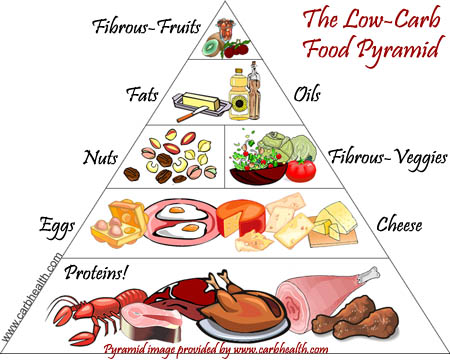
1.  Eat protein 6 times a day, spaced out over 3-4 hours.

2.  Kinds of protein:  3 solids, 3 liquids. The protein should be something solid like an egg or cheese in the AM, then liquid protein, then something solid for lunch like some meat, then a liquid protein, then repeat for dinner–something solid and then lastly, a liquid protein.  Serving sizes:   https://skinny-rules.com/2012/09/23/size-does-matter/

Do that for 3 days.  It is hard when your body is used to more food, but you will be burning big time and you have to shock the body into Ketosis.

3.  Fourth day, you can introduce two servings of veggies per day and two servings of fruit per day.

Here is my blog where I talk about serving sizes:  https://skinny-rules.com/2012/09/23/size-does-matter/

4.  Drink fluids.  Anything that is dietetic.  Do not drink anything with calorific sugar or fruit juice.  If you have coffee, no milk, just non dairy creamer and only a little per cup.  If you have milk, then you use low fat and you have to measure it out and you take it away from one of your proteins per day, which sucks and which is why I got used to non-dairy creamer.  I never wanted to lose a meal for some lousy milk!

5.  Take Multi-Vitamins, especially with B Complex and Potassium, DAILY!  I take Potassium separately, daily.

Tomorow:  I will disccuss how to break a diet plateau, when your body gets stuck and doesn’t want to move on the scale!


Starting a low carb diet, it helps to know how to get into Ketosis (simply explained)

You should always check with your doctor before you start any new way of eating because if you have complications like Diabetes, etc, then you have to make adjustments.

When you start a low carb diet, you have to eat well (go ahead and eat your pasta and steak) and then for three days, befoe you do the low carb diet in full, you eat protein only, six times a day.  Your body might say to you “WTF?”, but it works in kick starting Ketosis.  Ketosis is what helps your body burn fat.  In this blog, I will explain Ketosis and then tomorrow, I will discuss the diet that helps you stay in Ketosis, which will help you burn the fat away.  You can go to anywhere online to buy Ketosis measuring sticks for your urine.  I know that Lindora sells them too:

http://store.lindora.com/index.php/support-tools-accessories/fat-burning-strips-ketone-strips.html

So, here is the gist of why you want to be in Ketosis to lose weight:

Ketosis means that our bodies are using fat for energy.

Ketones (also called ketone bodies) are molecules generated during fat metabolism, whether from the fat  you just ate or fat you were carrying around your middle. When our bodies are breaking down fat for energy, most of the it gets converted more or less directly to ATP and ketones are also produced as part of the process.

When people eat less carbohydrate, their bodies turn to fat for energy, so it makes sense that more ketones are generated. Some of those ketones  are used for energy; the heart muscle and kidneys prefer ketones to glucose. Most cells, including the brain cells, are able to use ketones for at least part of their energy. But there is one type of ketone molecule, called acetone, that cannot be used and is excreted as waste, mostly in the urine and breath (sometimes causing a distinct breath odor).

If enough acetone is in our urine, it can be detected using a dipstick commonly called by the brand name Ketostix (though there are other brands, as well). Even though everyone is generating ketones continuously, this detection in the urine is what is commonly called “ketosis.”

The higher the concentration of ketones in the urine, the more purple the sticks will turn.  Some diet plans advise people to monitor ketosis as an indication of fat burning. Other reduced carbohydrate diets don’t pay much attention to this, or aren’t low enough in carbs to make much of an impression on the sticks. (The latter type of diet is sometimes called a “nonketogenic” low-carb diet.)

So, consider buying the sticks and now you know what happens in a good low-carb diet.  Tomorrow:  Diet plans that help you lose weight quickly and efficiently.

6 Fast Food Choices if You Absolutely MUST go!

What do you do if you forgot to eat or bring a snack and you need to eat?  A lot of peo)le get junk food because it is cheap and convenient.  However, cheap and convenient is not necessarily good for your waist line.

I have seen people who stop through and get what they think is “just a burger.”  But because of the bun (and not healthy, no fiber white bread on top of it), breaded items and french fries…..that quick convenient stop could have just put your entire day’s load of carbs into your body before breakfast or lunch is over.

So, let’s go over waistline-friendly food choices that you can get at fast food places.

1.  Salad 

Obviously, if you can get a salad and not smother it with carb-loaded dressing, that is the best bet.  Get the one that has chicken or egg in it (not breaded).  It is filling and tastes good.  For example, Chick-Fil_A has a Chargrilled Chicken Salad that is only 11g of carbs.  Their ranch dressing has no carbs, and they have other dressings–just read the back of the bag to determine which to get or how much you can afford to use in the bag.  Even Starbucks and Subway have some really decent salads.

Even Costco has a chicken salad that is pretty decent, just watch how much dressing you use and throw out the croutons! If you watch the dressing and have no croutons, then you are looking at lower than 20g for a huge salad with chicken, cheese and veggies.  However, their pizza is one of the most fattening slices in town!  Their cheese pizza by the slice is 70g of carbs, veggie pizza slice is 31g of carbs, their hot dog with the bun is 46g, turkey wrap is 33g of carbs, .  Their yogurt is a whopping 82g of carbs!  (and you thought yogurt was good for you)

2.  Burger without the bun.

Now, if you don’t want a salad, there are other choices.  For example, at In and Out Burger, which is a California-specific place  (and I am sure that if you ask other places will do this too), you can get a protein-style burger (burger minus the bun or you can just throw your bun out or feed it to the birds).

If you do a double burger, it is 11g carbs or 8g net carbs or you can do a cheese and one patty burger for the same amount of carbs.  The double burger though has 33g of protein and the cheese and single patty is 18g of protein.  Both are very good.  At least the meat at In and Out is real and not that McDonalds weird meat.  Try to find a place where you can see their nutritional content before you order or do your HW BEFORE you get caught hungry.  Part of being thin is not being lazy and doing your HW in advance and preparing for emergency food crawls.  In you are indeed just plain lazy, then keep reading my blogs and you will learn about more and more places to go and learn about carb counts.

Skip mayo and go for just a tad bit of ketchup if you must (that has sugar too).

You can have turkey, fish, veggie or chicken burgers too. (Veggie patties have carbs, so find out the number of grams)

Try to fight temptation and do not to get the fries!  A small bag is about 30g of carbs and a large bag or a one-size In and Out bag is over 50g of carbs!  And if you think you will just eat a few and throw the rest out, that could be harder than you think!

3.  Eggs and/or bacon

A lot of fast food places do breakfast up until a certain time.  Some might do it longer.  I was hungry after my exercise class today, despite having a hard-boiled egg on the way to class.  I stopped by Jack in the Box and got an egg and bacon (see picture).  It was delicious, it was only $1.13!!!!! and it was low in carbs.  At the most my snack before lunch was maybe 2g of carbs.  Breakfast food can actually be healthy!  THIS IS THE CHEAPEST OPTION!

4.  There are power protein meals at Mexican food fast food places like Chipotle, Poquito Mas, Sharkey’s, etc.  You can even just get some plain chicken and vegetables at El Pollo Loco. You can get meat and vegetables.  I personally would not have the rice, but you could have a little, if you choose.    Try to have it in a bowl and not wrapped up in their full carb tortillas.

5.  Ready to eat oatmeal at places like Starbucks.  This is 25g carbs.  A bit high, but not too shabby.  Maybe you could leave a little in the cup and make it more like 20g.  However, it is a very healthy option, and just watch the number of carbs you do throughout the day.

6.  There is always a quick run into the market!  Do not be fooled into thinking that frozen yogurt is low in carbs.  Greek yogurt from the market is low and you are better off buying it or something with low carbs in the made-to-go items from a grocery store.  I know that Trader Joe’s has some great things to get,  like salads and wraps (watch the carbs in wraps and sandwiches), and you could always pick up a Power Crunch bar or some greek yogurt.

So, try to prepare things to take with you in advance, but if you get caught, you have these options!

Good news about low carb diets from research study

“Permanently improving your diet has long-lasting health benefits, regardless of changes in weight, researchers say.  A new study followed individuals after a dietary intervention, and has found that even if people regain weight, a healthy diet still brings significant positive  benefits to the body.

Mediterranean and low-carbohydrate diets have lasting, healthy effects, even with partial weight regain, according to a follow-up study by researchers from Ben-Gurion University of the Negev (BGU) and Israel’s Nuclear Research Center.”

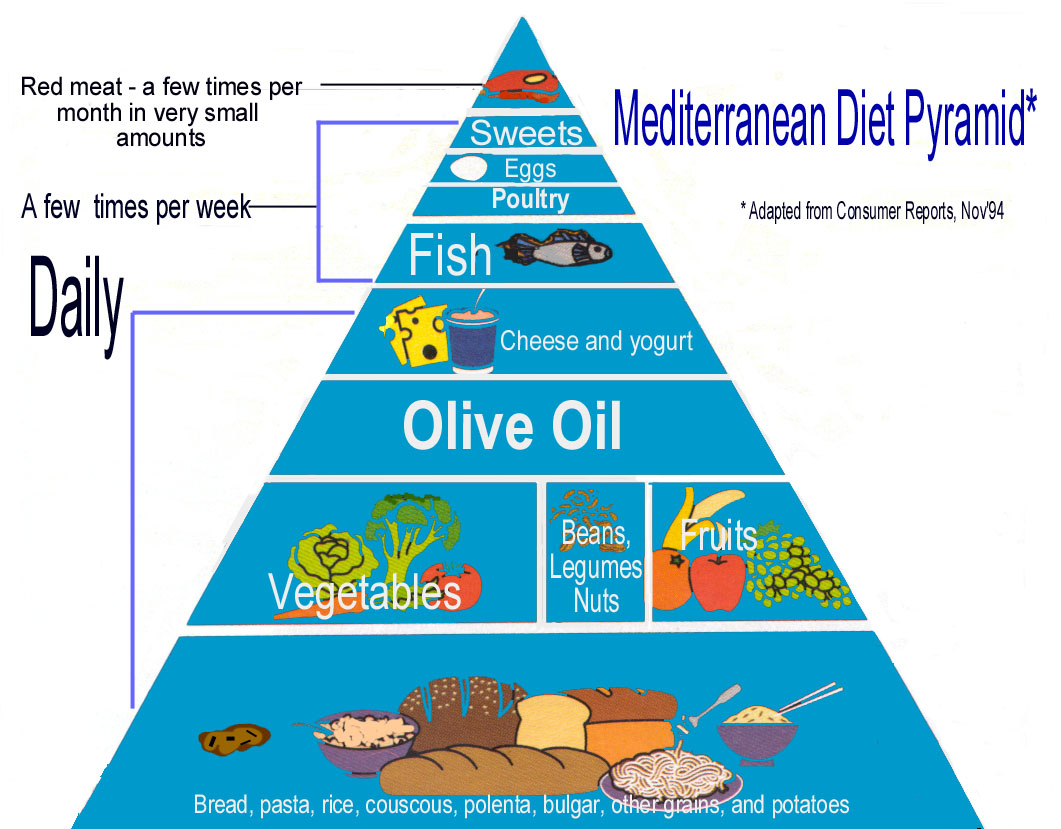
So, there is the benefit of losing weight, but now research shows that these diets, if maintained as a new lifestyle, have overall lasting beneficial benefits to your health!  Mediterranean diets do have some bread, but in small amounts and added in after you have had weight loss.

when you have lost the weight….

http://www.elements4health.com/healthy-diets-good-for-the-body-even-if-the-weight-comes-back.html?utm_source=feedburner&utm_medium=email&utm_campaign=Feed%3A+elements4health%2FmTrh+%28Elements4Health+%29

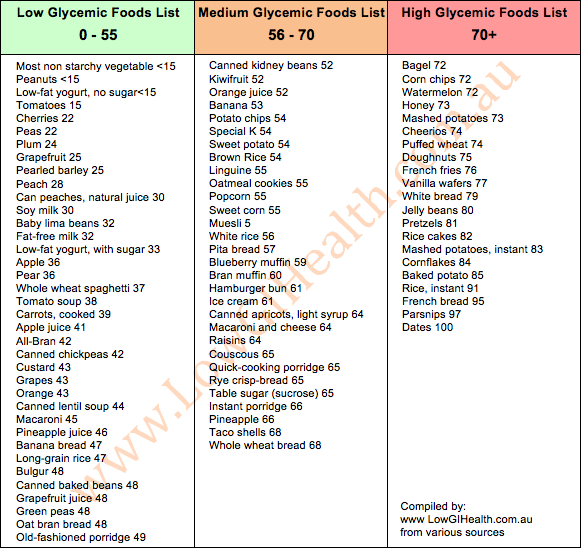
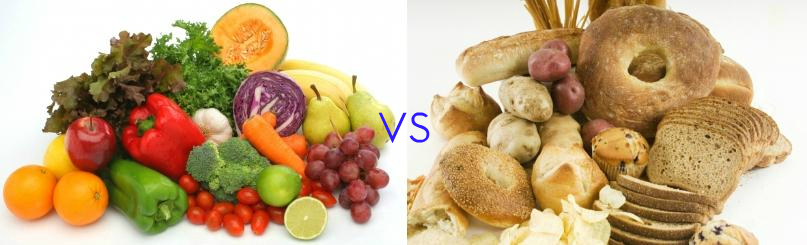
Good carbs vs. Bad carbs and the Glycemic Index

Carbohydrates are essentially sugars or starches that provide energy for our bodies. BUT “Bad carbs” are high in glucose and, when consumed, cause a quick spike in our blood-sugar levels. This causes our pancreas to pump out insulin to deal with the excess blood sugar. The insulin then disperses the glucose and our blood sugar levels fall, causing us to be hungry again!

After ripping through a bag of Doritos, have you noticed that you wind up with cravings for more carbs?  These cravings are a result of the quick rise and fall of our sugar levels.

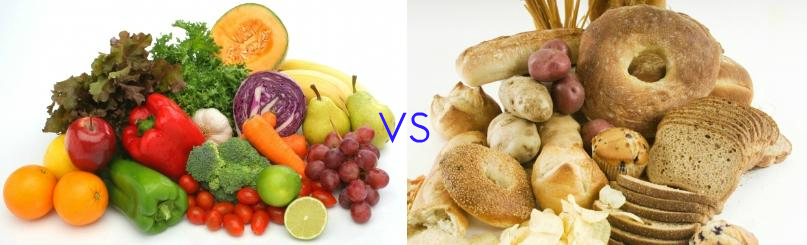
–Bad carbohydrates are very high in sugar and white flour and include: candy, baked foods, ice cream, white pasta, breads, and sodas. These carbohydrates, while tasty, can often lead to obesity, heart disease and diabetes.

-Good carbohydrates, however have a low glycemic index and are generally high in fiber, and rich in vitamins, minerals, and nutrients.  Good carbs raise our blood glucose levels in a much slower and sustained manner, avoiding the spike that leads to more cravings.


–Good carbs, especially those high in fiber, are essential to our everyday diet. They supply our bodies with energy and help to lower our cholesterol. We want our bodies to take energy from carbs because if no carbs are consumed, our protein intake will be unnecessarily used for energy, diminishing their benefits for muscle growth.

–Good carbohydrates include: fruits, vegetables, sweet potatoes, brown rice, beans, nuts, whole grain cereals and oat meal. (However, potatoes, rice, beans, and cereal are high in carbs, so if you are trying to lose weight, you need to stick to a 4 servings of vegetables, a couple of servings of fruit a day, and limit the amount of oatmeal.)

Now you may still crave that pint of ice cream, but it will be less intense and instead of grabbing the shovel, you’ll just take out a spoon. Consciously replace “bad carbs” with “good carbs,” and you’ll decrease your cravings and feel more energy. AND you will also lose weight!

THERE IS AN APP FOR THAT!

There is an app for IPad/Iphone called, GlycemicIndexBuddy, which can help you track and count your GI points for the day.  I personally just figure out the net carbs and count my carbs for the day and keep it in between 50 and 100.  There is Carb Counting with Lenny app for Droid and for IPhone/Ipad,

http://itunes.apple.com/us/app/carb-counting-with-lenny/id383324474?mt=8


How to Calculate Net Carbs–and what is the difference from regular carbs?

We all have heard about Net and Effective Carbs. But what are they and what is all the fuss about?

These non-metabolized and non-digestible carbohydrates, often referred as “Net” or “Effective” carbs, but it is the same thing. Even thought fiber is counted and included on food labels as carbohydrate, it is not absorbed, and has no impact on your blood-sugar levels.

There are basically two types of carbs – those which your body can digest and those it cannot. The type it can’t digest is principally fiber.

In America, food labels include fiber in the total carb count which gives an inaccurate measure of the food’s effect on your waistline. So most-low carb diets ask that you count “net carbs” – the ones that are actually digested.

The total carbohydrate number is not important. It is NET carbs that really matter since those are the ones that are being digested.

Count your NET carbs, not your total carbs.

Non-fiber carbs = fattening
Fiber carbs = not fattening (and actually filling as well as beneficial for digestion and fat burning)

TRUST VEGETABLES, not low-carb candy.

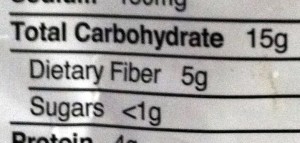
To calculate the net, or effective, carbohydrate content of a food, subtract the number of grams of fiber from the number of grams of carbohydrate.

To calculate net carbs, simply subtract the dietary fiber content from the total carbs. In the picture to the right, the net carbs would be 15 – 5 = 10.

Carbs – Fiber = Net Carbs

Simple enough, right?


Well… not so fast. Here comes corporate trickery once again.

For example:

1 cup of blackberries has 14 grams of carbs, but almost 8 grams of it comes from fiber.

Total Carbs – Fiber = Net Carbohydrate or in our example, 14 grams – 8 grams = 6 grams of net carbs.

So, go eat some GOOD carbs, which have FIBER!


Sugar and Gluten Free Baking Cookbook and Recipe for Cocoa-Nut Brownies

Blog today is based on this Daily News article, and then halfway down is a DELICIOUS looking cocoa-nut brownie recipe with 8 net carbs per brownie!!!

http://www.dailynews.com/ci_21733311/baking-expert-peter-reinhart-goes-gluten-free-sugar?IADID=Search-www.dailynews.com-www.dailynews.com

After years building his career and credibility on carbs, award-winning baking instructor and bread cookbook author Peter Reinhart was an unlikely candidate to become an ambassador for low-carb, gluten-free living.

And yet his just-released “The Joy of Gluten-Free, Sugar-Free Baking” (Ten Speed Press, 2012) puts him squarely at the top of the heap of writers, bloggers, bakers and chefs clamoring to satiate America’s hunger for a life — or at least a dinner or two — lived with fewer carbohydrates and less of that pesky, yet ubiquitous wheat protein known as gluten.
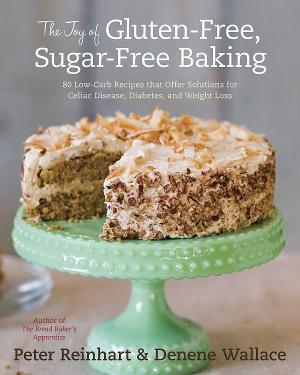
He has his carb-derived cred to thank for it. Link for the cookbook:  http://www.amazon.com/gp/product/1607741164/ref=oh_details_o00_s00_i00

Reinhart has long been considered one of the nation’s premier bakers. His gorgeous, painstakingly researched books blend textbook-worthy detail with a gentle voice that masterfully leads readers through the science and romance of transforming carbs and gluten into deliciousness.

So why change? “I wanted to add something totally new that no one else was doing,” he says of his book, which he co-authored with flour developer Denene Wallace.

That something new is a fresh approach to gluten-free baking.

Traditional gluten-free recipes turn on what Reinhart calls “the holy trinity” of starches — rice flour, tapioca and potato starch. Those starches work in place of gluten, but they also happen to be startlingly high in carbohydrates. He wanted recipes that blended low-carb and gluten-free.

His approach, developed in collaboration with Wallace, relies on finely ground flours of almonds or pecans. Some recipes also call for flours made from seeds, such as sunflower or sesame.

“With the nut flours, you’ve got a lot of natural oils in there and no starches that will go stale,” he says. The added benefit — and perhaps, he believes, the most important — is that nut flours reduce the carbohydrate load in the bread, making the products suitable for diabetics and others watching their carb intake.

“I’m always fascinated by new frontiers, by what’s the next thing coming that nobody’s tapped into,” says Reinhart, a baking instructor at Johnson & Wales University’s College of Culinary Arts in Charlotte, N.C. “The biggest concern for us was the growing diabetic community,” which is particularly sensitive to the carbohydrates in food.

Gluten is a protein found in wheat, rye and barley. It gives bread its elasticity and allows it to be pulled into long loaves, such as baguettes. And it is the element that creates the air pockets that give breads much of their texture. But some people are sensitive to gluten. The most serious sensitivities lead to celiac disease, which causes abdominal pain, bloating and intermittent diarrhea.

Gluten-free breads tend to be more dense than traditional breads. To combat this, many of Reinhart and Wallace’s recipes contain xanthan gum — which stabilizes and thickens — to help mimic the texture of traditional bread. To get around the need for high-carbohydrate sweeteners, they rely on stevia, a zero-calorie sweetener made from a plant extract.

Reinhart’s next frontier? Breads made with flours created from sprouted grains.

Sprouted grains are more efficient nutritionally, Reinhart says, and produce a greater amount of food than unsprouted grains. When a grain is sprouted, he says, the vitamins it contains shoot up and it becomes more nutritionally dense. There are only a couple of mills in the U.S. producing sprouted grain flour, he says, but he believes it is the way of the future. Bread made from sprouted wheat flour also is sweeter and less bitter than bread made from traditional whole wheat, he says.

“It just makes sense that it’s a great way to eat,” Reinhart says. “And once you can improve the flavor it becomes intriguing for all of us. I need to go into that and see how far we can push it.”

COCOA-NUT BROWNIES

(one brownie has 12g carbs, but with 4g fiber, 12-4=8g net carbs!)

Start to finish: 1 hour (15 minutes active)

Servings: 12

2 cups (8 ounces) pecan flour
1 cup (4 ounces) almond flour
2 cups Splenda or Stevia Extract in the Raw, or 1/2 cup New Roots Stevia Sugar
1/2 cup (1 1/2 ounces) unsweetened natural cocoa powder (not Dutch-process)
2 teaspoons baking powder
3 eggs
1/2 cup unsweetened chocolate soy milk or chocolate almond milk
1/4 cup (1/2 stick) salted butter or margarine, melted
1 tablespoon vanilla extract
1/2 teaspoon liquid stevia

Heat the oven to 350 F. Line an 8-inch square baking pan with parchment paper, then mist it with cooking spray.

In a medium bowl, combine the pecan flour, almond flour, Splenda or other sweetener, cocoa powder and baking powder. Whisk until well mixed.

In a large bowl, whisk the eggs, soy milk, butter, vanilla and liquid stevia until thoroughly blended. Add the flour mixture and whisk or stir with a large spoon until all of the ingredients are evenly incorporated to make a smooth, sticky batter. Pour the mixture into the prepared pan, spreading it in an even layer.

Bake for 15 minutes, then rotate and bake for another 10 minutes, or until the brownies are just slightly springy but still jiggly when pressed gently at the center. If you like fudgy brownies, remove them from the oven at this point. If you prefer them to be more cakelike, continue baking for a few more minutes, or until a toothpick inserted at the middle of the brownies comes out clean.

Let the brownies cool in the pan for at least 15 minutes. You can either cut the brownies in the pan, or transfer the whole piece to a cutting board before cutting. Cut them in a 3-by-4 grid to yield 12 brownies.


Nutrition information per serving: 270 calories; 210 calories from fat (78 percent of total calories); 24 g fat (4.5 g saturated; 0 g trans fats); 55 mg cholesterol; 12 g carbohydrate; 4 g fiber; 2 g sugar; 6 g protein; 140 mg sodium.

(Recipe from Peter Reinhart and Denene Wallace’s “The Joy of Gluten-Free, Sugar-Free Baking,” Ten Speed Press, 2012)
LOW CARB COOKIE ALERT for serious dessert fiends!

I have not tried these yet, but if someone does before me, let me know.  There are 10g of carbs per cookie, but net carbs are ZERO!  This is the same bakery that makes the low carb bread. I am definitely going to try the cocoa delight!

Bonus: Gluten free and diabetic friendly!

http://www.julianbakery.com/low-carb-foods/gluten-free-cookies/ the site for the cookies!

and here is the locator:  http://www.julianbakery.com/locator/

When you buy food or eat out: Do Your HW!

When you go to the market and you eat out, always know what you are buying and eating.  Once you start writing a few things down and do it for a week or two, you start to memorize certain numbers.  It doesn’t take long.

EATING OUT

Always refer to  food nutritional chart for restaurants and for food items before you buy or eat.  Most chains have their nutritional information online or available in their restaurants, including the devilish fast food places (there are healthier choices there, like salads).

Ignorance is NOT bliss in eating out.  Buyer Beware.  Stick with 50-100g of carbs a day if you want to lose weight.

There are many sites online that will tell you what you are eating carb-wise.  Just Google what you are wanting to eat and where, with the words “nutritional information” and usually the information will pop up.

Here is a site to find out what is in every day foods:

http://whatscookingamerica.net/NutritionalChart.htm

Remember, you can eat bread a couple of times a week, but you have to choose the right bread. LOOK at the labels.  Sara Lee 45 calorie bread and Julian Bakery make low carb breads.  Western Bagel has a Perfect 10 bagel.


You can eat some of the things you used to eat, but just different brands.  Sometimes you will have to look online to buy low carb versions if your store doesn’t carry them.  Netrition.com and Carbessentials.net carry stuff, as do many other sources, including Lindora.com.  Just do your HW, buy accordingly, and you will lose weight!  Remember:  50-100g of carbs a day max, if you want to lose weight.  Eat 6 small meals a day that include proteins, two servings of a small salad and four small servings a day of vegetables, and two small servings a day of fruits.


10 Low Carb Dessert Fixes for a Sweet Tooth

In honor of my one year anniversary since starting on my new way of eating (LOW CARBS), I am going to honor a request to write about what to do if you have a sweet tooth.

I do like chocolate.  I think most women do.  So, if you have one, you have to either buy things that have low carbs that are pre-made, or you have to learn how to try out new recipes.

Remember:  If you have a chocolate fix, it has to be considered one of your six small meals for the day, so try to get a lot of protein in with it if it is possible!  You need protein to burn away fat.

You have to keep reminding yourself that if you are craving things, then a couple of things could be happening to you:

ONE:  You have not come to terms yet that you are a sugar and carb junkee and your sugar level is so low now after your last carb/sugar fix, that you need more to feed the crazy sugar train.

TWO:  You are not eating enough and drinking enough water in between your meals and you are allowing your body to crave because your sugar levels are low.  Try eating within 3-4 hours between every meal, drink your water and you might feel better more often.  Sometimes people crave food or sweets when they are actually THIRSTY.http://www.sparkpeople.com/resource/nutrition_articles.asp?id=1663

*I speak from experience.  I am a former dessert and pasta junkee.  I love having my Carbolite at night because I love the creamy nature of it, but it is very low in carbs.  However, I would be just as happy with a mini low carb pizza.  I never thought I would feel this way!

Quick chocolate fixes:

1.  If you eat a chocolate bar, you can look at the label and eat only the amount of carbs you are allotting yourself for the day and put it away or break it up and put the pieces into baggies that are measured out for each day that you ea.  t them.  Try not to have more than 15 to 20 g of carbs per treat.  Remember:  50-100g of carbs per day or you will never lose the weight!  Trader Joe’s has a lighter bar with no sugar added near their cash registers.  It still has a lot of carbs, but less than most bars.  So, buyer beware.

2.  However, if you are easily tempted to eat the whole bar–other choices, low carb ice cream choices are in the freezer department of your local grocery store.  You can find many different Weight Watcher choices.  Here is a list: http://www.sparkpeople.com/calories-in.asp?food=weight+watchers+ice+cream.  Try to stick to 20g of carbs or less and try for more protein.  1g of protein kinda sucks!

3.  There are also low carb CHOCOLATE and other type of protein bars that combine chocolate with protein, which is a win-win, in my book.  There are many, but  my personal favorites:  Nature Valley Protein Dark Chocolate Peanut Butter bars, Power Crunch bars and Lindora.com has some good ones.  Atkins have some, but I am not so much into them.

4.  There is peanut butter!  Two tablespoons vary between 6-8 g of carbs.

5.  Low carb desserts that you can make:  Here are some free recipes. http://lowcarbdiets.about.com/od/desserts/tp/Top-Low-Carb-Desserts.htm or

Go to Carbessentials.net or Netrition.com and order some chocolate things, already made.

6.  Have some fruit.  Natural sugar.  You can even put it in some GREEK YOGURT.  Best low carb fruits are citrus and berries.  Get some berries, put some low sugar whip cream on top and pretend you are having something decadent.

7.  Make a mini pizza (always does the trick for me).  You can do the cauliflower based recipe or make them on flat pita bread.  As seen here:  https://skinny-rules.com/2012/09/16/low-carb-quick-pizza/

8.  Low sugar chocolate pudding or tapioca pudding.  Look on the labels.  The lower fat ones usually have less sugar.  Check the labels.  They are usually very low, like 5g of carbs, but you can make them at home too:  http://www6.netrition.com/jello_sf_instant_pudding.html

9.  Nuts!  You have to measure out and look at carbs, but they can really satisfy and they have protein.

10.  Lindora has the most delicious chocolate wafer cookies, if you look at their website, made by Kot….$10 afor a box.http://store.lindora.com/index.php/dark-chocolate-tea-biscuit.html  There is milk chocolate too.  There are tons of recipes out there and I will try them and write about them soon.

http://www6.netrition.com/big_train_cookie_mix_page.html mix

http://locarbu.com/index.php?main_page=product_info&products_id=1788&cPath=7&gclid=CICw1KGF9bICFWjhQgod-34Akg#googlebase premade

Soon enough, I will have recipe try outs.  If anyone tries any recipes before I do, please write me.

Anyway, there are 10 ideas for now.  I will come up with more over time.

ENJOY!