Cut Cravings: Eat Protein Rich Breakfasts

If you want to get and stay skinny, you have to get your brain to help you in the quest to feel full and not overeat.  As you have heard before, breakfast is THE most important meal of the day.  You will also have MORE energy to do things throughout the day.

There has been a study.  http://www.sciencedaily.com/releases/2013/03/130326151127.htm

“The consumption of the high-protein breakfast led to increased fullness or “satiety” along with reductions in brain activity that is responsible for controlling food cravings. The high-protein breakfast also reduced evening snacking on high-fat and high-sugar foods compared to when breakfast was skipped or when a normal protein, ready-to-eat cereal breakfast was consumed,” according to Assistant Professor, Heather Leidy.

“Eating a protein-rich breakfast impacts the drive to eat later in the day, when people are more likely to consume high-fat or high-sugar snacks,” Leidy said. “These data suggest that eating a protein-rich breakfast is one potential strategy to prevent overeating and improve diet quality by replacing unhealthy snacks with high quality breakfast foods.

Examples of Protein Rich Breakfasts:

  • Poached organic eggs with smoked salmon, avocado and salad
  • Boiled organic eggs with cold cuts of meat and salad
  • Lightly scrambled eggs with organic bacon and salad
  • Leftover dinner
  • Meat and nuts
  • Protein smoothies (see the protein power example in this article)
  • Full fat organic yogurt with fruit and nuts
  • Canadian bacon, or any other bacon.
  • two tablespoons of a nut butter

Cereal and wheats/grains are NOT a protein rich breakfast, so you will be triggered to eat more later.  Lindora.com sells high protein pancakes, if you are so inclined once in awhile!

Egg Breakfast

MIDDAY SLUMP: You Have To Eat A Snack Between Lunch and Dinner

slump

Ever catch yourself nodding off about an hour or two after lunch?  “If you started your day with nothing more than a cup of coffee or a bowl of cereal, you’re bound to feel your energy start to drop sooner in the day.”  Protein six times a day helps this from happening.

And if your lunch mainly consisted of carbs, then after a meal later on,  there is a huge drop in blood sugar.  However, after any meal, your blood sugar rises for about two hours—and then it drops off.   Your lunch has to contain enough protein and fiber, and if not, then your blood sugar can rise and drop even more quickly, causing you to feel groggy.

Even if you eat a substantial breakfast and a lunch that combines carbs and protein, you might still have the midday slump. Eating raises your body’s core temperature as the body works to digest and metabolize your food.  After you eat a meal, a few hours later, your core body temperature drops, signaling your brain to release melatonin, which causes you to feel tired.

One thing that can help is to exercise.  Regular exercise has been shown to provide more energy throughout the day. If you aren’t able to get in an early-morning or lunchtime workout, try a 15-minute power walk around the time you usually start your slump.   Snacking helps to control blood-sugar levels.  The ideal snack is around 200 to 300 calories and contains a balance of carbohydrates and protein.

If you want to lose weight and keep your metabolism going AND you want to stay awake during the day and be productive, you need to eat your midday snack.

8 suggestions for a snack:

1. A piece of fruit and two tablespoons of peanut butter (or another nut butter).

2. One ounce of almonds and a handful of grapes or a piece of fruit.

3. One ounce of cheese with a few whole-wheat crackers.  Watch the carbs in the crackers.  Look at the box.

4. Two ounces (a moderate handful) of trail mix.

5. Six ounces of greek yogurt with fruit.

6.  A low carb protein bar

7.  A hard boiled egg and a piece of fruit.

8.  A couple of slices of meat, cheese and a piece of fruit.

Can Vegans and Vegetarians Stay Skinny?

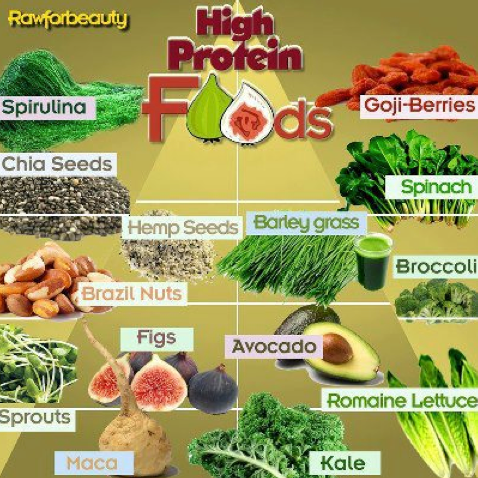
It is easy to do a low-carb diet if you eat meat, but not so much if you are a vegetarian, and especially a vegan (no milk or eggs)–especially if you want to stay skinny.

So, if you want to be a non-meat eater, there are things you can eat that are high in protein and you NEED protein to maintain energy and keep your metabolism balanced–and still stay skinny.

You can eat certain berries, vegetables leafs that contain protein.  It  is your job to research online about how much protein you are getting.  I meet so many non-meat eaters who just eat whatever and never consider what they are eating and if it is enough to satisfy their body’s requirements.  You have to do some extra work if you decide to eat no dairy, eggs or meat.

proteinplants

Keep in mind that you can eat beans and nuts too, but they are higher in carbs, so be careful and keep a check on how many carbs you are getting in a day.  You can’t just eat Beans and Nuts and lose weight.  You will have to eat a lot of grasses, lettuce, kale, etc.  And avocado is great, but high in carbs, so monitor yourself.

Spinach, for example, varies on the variety and if it is fresh or canned.  Some can be 1g of protein per cup and some can be 7g of protein.  Being a vegetarian requires homework!

Pasta has little protein, so don’t think you can be a vegan and eat pasta all day and stay thin.  It ain’t gonna happen!  You have to eat a lot of low carb vegetables and you can have fruit, but not a lot!  And watch Jamba Juice type smoothies.  LOADED in carbs.  Fruit, sherbet, milk–carbs!  You want fruit, eat one!  It is better for you, lighter in carbs and takes longer and lets you get satiated so you don’t eat a lot.  Have you ever eaten an apple and thought, “I want another!”  No!  But, you could drink 6 apples in a smoothie, no problem!!

So, be careful non-meat eaters!

Why Eggs are Eggscellent for a Diet

Eggs Are a Weight-Loss Superfood with Health Benefits

Hard-Boiled-Eggs

Eggs!  They can be eaten for breakfast, lunch or dinner–or as a snack.  They can be boiled, fried, poached, scrambled over easy or hard, deviled, etc.

They are low-calorie (80 per egg), low carb (less than 1g carb per egg) and high protein (6g per egg).   Eggs are an excellent snack or meal for anyone who wants to lose or manage their weight.  I hard-boil or buy hard-boiled ones and pop one or two in my mouth as I run out the door in the mornin. Add a handful of fresh spinach to an egg scramble, and you have a healthy breakfast that’s bursting with nutrients. Egg whites have only 15 calories per egg, no cholesterol, and no saturated fat, which makes them extremely diet-friendly.

In addition to helping with weight control, eggs supply many essential nutrients, including vitamin A, and the minerals iron, phosphorus, zinc, and DHA, which is a key to brain health. For vegetarians who still eat some animal products, eggs are an excellent nonmeat source of the vitamin B12, an essential nutrient that most humans get from meat, fish, and dairy.

How nutritious an egg is also largely depends on how it was produced. Some farmers now feed laying hens omega-3-rich diets that in turn produce eggs that are enriched with Omega-3 fatty acids,  which can boost heart and brain health.

Most of egg’s bad reputation is due to the yolk’s cholesterol. According to the American Heart Association, one large egg yolk has about 186 milligrams (mg) of cholesterol, and it’s recommended that the average person limit dietary cholesterol intake to 300 mg per day. The AHA recommends that people with normal cholesterol levels cap their egg consumption to four or fewer whole eggs per week, and suggests that people with heart disease eat two or fewer eggs per week or use cholesterol-free egg substitutes. Because egg whites contain no cholesterol, unlimited egg white consumption is perfectly heart-healthy.

The reputation of eggs has largely been restored because study after study has found that dietary cholesterol has a much smaller impact on cholesterol levels than was once believed. In fact, a 2001 study published in Circulation, the journal of the American Heart Association, found that lutein, a nutrient found in egg yolks, may even help reduce the risk of heart disease.

Egg Substitutes

eggbeaters

Most egg substitutes, such as Egg Beaters, are pasteurized egg whites that are supplemented with beta-carotene for color and additional vitamins. There are also animal-free egg substitutes on the market that are made from potato starch or yeast flakes, which when mixed with water, can resemble the consistency of beaten eggs.

How to Eat the Low-Carb Way

How to Eat the Low-Carb Way

Eating the low-carb way means building your diet around lean proteins along with vegetables and fruits prepared fairly simply. If you were a meat-and-potatoes eater, focus on the meat more than the carb-heavy potatoes. The tips in the following list offer advice on what foods to choose:

1. Build your meals around lean protein, fruits, vegetables.

2. Choose whole grains or legumes for your daily carb choices. Minimize your intake of processed foods. Personally, I say you are better off trying to exclude whole grains, except for one or two per week, in place of a fruit.

3. Choose very low-fat milk and dairy foods. Check carb content. There are some Greek yogurts with 8g of carbs per container, and there are some with 20g of carbs for the same sized container.

4. Choose monounsaturated rather than saturated fats. http://www.mayoclinic.com/health/fat/NU00262

5. Eat 6 small proteins a day (approximately 4 ounces of meat. Egg, protein drink or bar, etc.) and salads twice a day along with small amounts of fruits and vegetables 2 times per day. Never starve yourself and never skip meals. If you eat between meals, eat healthy foods that are also filling, like salad, fruit, vegetables, milk product like yogurt, low-carb ice cream, or cheese, or a handful of nuts.

6. Do not eat a full meal right before bedtime. A bedtime snack such as nonfat yogurt or cottage cheese and a cup of fruit or less is okay.

7. Drink plenty of water — eight glasses a day

8. Exercise moderately 30 to 60 minutes at least five times a week.

9. Allow a cheat only one to two times a week, max.

20121209-185055.jpg