Sugar Makes You Fat and Does Other Bad Things To Your Body Too

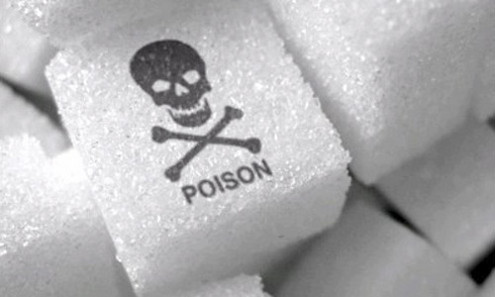
Excessive sugar in the diet is not the best idea when it comes to healthy living.  Many people are consuming sugar in higher than moderate amounts.  Worldwide, people we are consuming about 500 excess calories a day, just from sugar–which in turn, can cause you to gain a pound a week.
sugar-silent-killer

Sugar Also Can Do Damage in Other Ways:

1. Sugar can damage your heart
A 2013 study in the Journal of the American Heart Association displayed strong evidence that sugar can actually affect the pumping mechanism of your heart and could increase the risk for heart failure. The findings specifically pinpointed a molecule from sugar (as well as from starch) called glucose metabolite glucose 6-phosphate (G6P) that was responsible for the changes in the muscle protein of the heart. These changes could eventually lead to heart failure. Approximately half of the people that are diagnosed with heart failure die within five years.

2. Sugar specifically promotes belly fat
Adolescent obesity rates have tripled in the past 30 years and childhood obesity rates have doubled. . One factor that seems to inflict obese children is fat accumulation in the trunk area of the body. Why? One cause may be the increase in fructose-laden beverages– — setting the stage for a big belly and even bigger future risk for heart disease and diabetes.

sugar-deserves-a-societal-intervention

3. Sugar is the true silent killer
Move over salt and hypertension, you’ve got competition. Sugar, as it turns out, is just as much of a silent killer.  A 2008 study found that excess fructose consumption was linked to an increase in a condition called leptin resistance. Leptin is a hormone that tells you when you’ve had enough food. The problem is, we often ignore the signal our brain sends to us. For some people though, leptin simply does not want to work, leaving the person with no signal whatsoever that the body has enough food to function. This in turn can lead to over consumption of food and consequently, obesity. And this is a silent killer because it all happens without symptoms or warning bells. If you’ve gained weight in the past year and can’t quite figure out why, perhaps you should look at how much fructose you’re feeding your body.

4. Sugar may be linked to cancer production and may effect cancer survival 
In the world of nutrition, it’s hard to talk about sugar without talking about insulin. That’s because insulin is sugar’s little chaperone to the cells, and when too much of it is consumed, or our insulin does not work (probably because we’re eating too much sugar) and the body revolts. One connection that has been well documented in the literature is the link betweeninsulin resistance and cancer . A 2013 study found that sugars in the intestine triggered the formation of a hormone called GIP (controlled by a protein called β-catenin that is completely dependant on sugar levels), that in turn, increases insulin released by the pancreas. Researchers found that β-catenin may in fact affect the cells susceptibility to cancer formation.

5. Your sugar “addiction” may be genetic
If you’ve ever said, “I’m completely addicted to sugar,” you may actually be correct. A recent study of 579 individuals showed that those who had genetic changes in a hormone called ghrelin consumed more sugar (and alcohol) than those that had no gene variation. Ghrelin is a hormone that tells the brain you’re hungry. Researchers think that the genetic components that effect your ghrelin release may have a lot to do with whether or not you seek to enhance a neurological reward system through your sweet tooth. Findings with this study were similar to study conducted in 2012 as well.

6. Sugar and alcohol have similar toxic liver effects on the body
A 2012 paper in the journal Nature, brought forth the idea that limitations and warnings should be placed on sugar similar to warnings we see on alcohol. The authors showed evidence that fructose and glucose in excess can have a toxic effect on the liver as the metabolism of ethanol — the alcohol contained in alcoholic beverages had similarities to the metabolic pathways that fructose took. Further, sugar increased the risk for several of the same chronic conditions that alcohol was responsible for. Finally, if you think that your slim stature keeps you immune from fructose causing liver damage, think again. A 2013study found that liver damage could occur even without excess calories or weight gain.

7. Sugar may sap your brain power
Sugar may have accelerated the aging process. A 2009 study found a positive relationship between glucose consumption and the aging of our cells.  Aging of the cells consequently can be the cause of something as simple as wrinkles to something as dire as chronic disease. But there is other alarming evidence that sugar may affect the aging of your brain as well.  A 2012 study found that excess sugar consumption was linked to deficiencies in memory and overall cognitive health.

8. Sugar hides in many everyday “non-sugar” foods
While many of my patients strive to avoid the “normal” sugary culprits (candy, cookies, cake, etc.), they often are duped when they discover some of their favorite foods also contain lots of sugar. Examples include tomato sauce, fat-free dressing, tonic water, marinates, crackers and even bread.

9. An overload of sugar (specifically in beverages) may shorten your life
A 2013 study estimated that 180,000 deaths worldwide may be attributed to sweetened beverage consumption. The United States alone accounted for 25,000 deaths in 2010. The authors summarize that deaths occurred due to the association with sugar-sweetened beverages and chronic disease risk such as diabetes, heart disease and cancer.

10. Sugar is making us fat
The lack of other nutrients in sugar actually makes it much easier to eat gobs of it with no physical effects to warn us of the danger that lurks. Sugar will give you the calories, but not the feeling that you’ve had enough. That’s why you can have an entire king-size bag of licorice (with its sky high glycemic index) at the movies and come out afterwards ready to go for dinner.

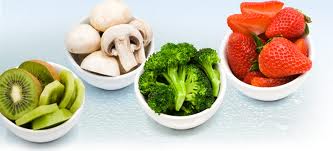
Answer:  You have to cut down on the sugary snacks, beverages and foods (Honey Nut Cheerios) and you need to start eating more foods that focus on  better nutrients.  Foods rich in fiber, fat and protein  all have been associated with increased fullness.

Eat meat, fish, cheese, low-fat Greek Yogurt, vegetables, salad, and in moderation–beans, nuts and seeds, whole grains, and fruits.

You Might Be Fat Because of Label and Size Trickery

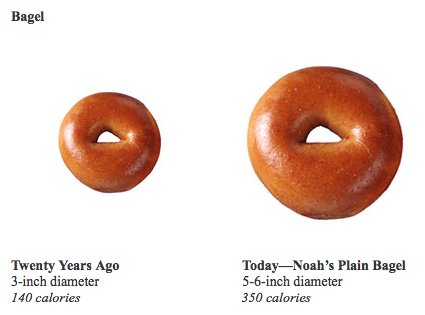
I have written before about portion control.  It is important to know that since the 1950s, people have been doubling in size, but that is because portions have doubled in size.

And the food industry does a great job of hiding facts and they have been tricking you into eating TOO MUCH FOOD!

portion

I had a client come to my office with a 15 ounce large bottle of Green Machine Naked Juice (GMO fruits, company owned by Pepsi) and he attempted to drink the entire thing himself.  The bottle had at least 5 or 6 small servings for a family at breakfast and because it was in a bottle, he thought he should drink it himself.  You have to be careful reading labels.  This is what the label says:

1 cup is almost 30g of sugar (almost 8 sugar cubes) and almost 35g of carbs.  No wonder diabetes is on the rise.

Stick to cup-sized portions.  Get out a measuring cup and get accustomed to the size of it.

cup

HERE IS THE TRICKERY!

So, do you know how much is in a cup?  Most people don’t.  A cup is 8 ounces.  How many ounces are in the bottle?  15 ounces!!!!!!!!!!!!  (some of the other Naked Juice drinks are even worse!)

So, if you DOUBLE the amount of nutritional information if you DRINK THE WHOLE THING, then you will realize that you are actually drinking almost 60g of sugar (about 16 sugar cubes) and almost 70g of carbs–about as much as you want for the whole day if you don’t want to maintain or lose weight.

I have seen many people drink these whole bottles as one meal.  You need to look at your labels!  You could have had a whole plate of spaghetti and meatballs instead and liked it better!

The standard serving for soft drinks is one cup – 8 fluid ounces. But most cans sold in vending machines are 12 ounces. Bottles drinks often come in 20 ounce portions, all for consumption by a single person.  That is just way too much in one go.  We are eating too much, drinking too much.

At Starbucks, the portion sizes are not only skewed to large, the names are confusing as well: Tall (12 ounces), Grande (16), and Venti (24).

bagelsize

It gets even harder to order the smaller options when you do the financial calculation – the larger portion almost always is cheaper per ounce than the smaller one.

What to do when you’re eating out?

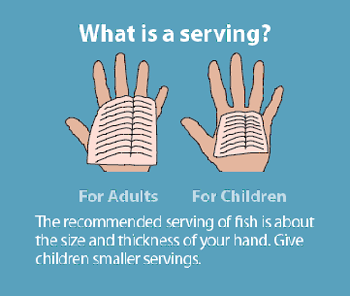
  • only eat 4 ounces of meat (a palm-sized amount), a cup of vegetables, small salad size.
  • serving
  • Ask for a take-out container and put your food in there even before you start to eat so you won’t be tempted to keep eating.
  • ask your server / waiter what the portion size is for the dish you are ordering
  • order the smaller option (including kid sized portions, which are the right size for an adult in the first place)
  • share your dish with your dining partner
  • drink water – no serving size limit!
  • I don’t do pasta, but if you do, remember what a cup looks like!  (and it is about 43g of carbs!  That is a lot and it is just a cup!
  • pasta_serving2
  • portion-plate

Emotional Eating Can Hurt Your Diet or Lifestyle Change

emo-eating

Emotional eating can sabotage your weight-loss efforts

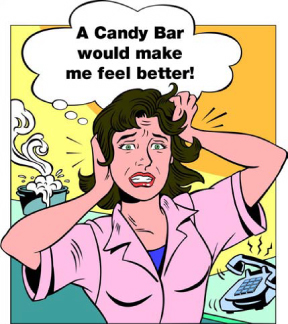
Sometimes the strongest cravings for food happen when you’re at your weakest point emotionally and you may turn to food for comfort. Emotional eating can sabotage your weight-loss efforts. Emotional eating often leads to eating too much, and you most likely will eat too much of the wrong things.  I talked to a woman today who ate jelly beans when she knew she had to do a fasting blood test the next day. There are take steps to regain control of your eating habits and get back on track with your weight-loss goals.

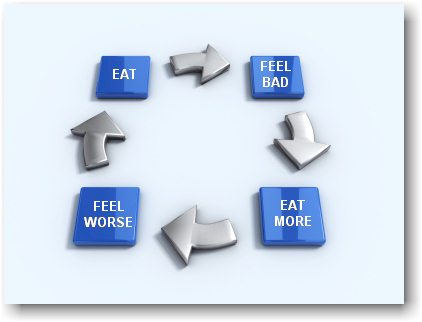
emotional_eating_cycle

The connection between mood, food and weight loss

Emotional eating is eating as a way to push down or soothe out negative emotions, such as stress, anger, fear, boredom, sadness and loneliness. Things happening to you in life and the hassles of daily life can trigger negative emotions that lead to emotional eating and disrupt your weight-loss efforts. These triggers may include:

  • Unemployment
  • Financial pressure
  • Health problems
  • Relationship conflicts
  • Work stress
  • Fatigue
  • Also, being on diet or change of lifestyle with food and feeling bad about yourself or frustrated at where you are at–physically.

Although some people actually eat less when stressed,  if you’re in emotional distress you may turn to impulsive or binge eating — you may rapidly eat whatever’s convenient, without even enjoying it. In fact, your emotions may become so tied to your eating habits that you automatically or impulsively reach for a treat or a sweat, whenever you’re angry or stressed without stopping to think about what you’re doing. Food also serves as a great distraction. If you’re worried about a test, or some life event, or brooding over a conflict, for instance, you may focus on eating comfort food instead of dealing with the painful situation. Whatever emotions drive you to overeat, the end result is often the same. The emotions return, and you may also now bear the additional burden of guilt about setting back your weight-loss  or health-related goal. This can also lead to an unhealthy cycle — your emotions trigger you to overeat, you beat yourself up for getting off your weight-loss track, you feel bad, and you overeat again. desserts

Tips to get your weight-loss efforts back on track

You can take steps to control cravings and renew your effort at weight loss. To help stop emotional eating, try these tips:

  • Learn from setbacks. If you have an episode of emotional eating, forgive yourself and start fresh the next day. Try to learn from the experience.  So, make a plan for how you can prevent it in the future, focus on the positive changes you’re making in your eating habits, and give yourself credit for making changes that’ll lead to better health.
  • Stress management: If stress contributes to your emotional eating, try a stress management technique, such as yoga, meditation or relaxation.
  • Have a hunger reality check. Is your hunger physical or emotional? If you ate just a few hours ago, you’re probably not really hungry. Give the craving a little time to pass.
  • Keep a food diary. Write down what you eat, how much you eat, when you eat, how you’re feeling when you eat and how hungry you are. Over time, you may see patterns emerge that reveal the connection between your mood and food.
  • Get support. You’re more likely to give in to emotional eating if you lack a good support network. Lean on family and friends or consider joining a support group.  Overeaters Anonymous is a good group and it is free.
  • Fight boredom. Instead of snacking when you’re not truly hungry, distract yourself. Take a walk, watch a movie, play with your dog or cat, listen to music, read, surf the Internet or call a friend.
  • Take away temptation. Don’t keep supplies of comfort foods in your home if they’re hard for you to resist. And if you feel angry or blue, postpone your trip to the grocery store until you’re sure that you have your emotions in check.
  • Don’t deprive yourself. When you’re trying to achieve a weight-loss goal, you may limit your calories too much, eat the same foods frequently and banish the treats you enjoy.
  • Snack healthy. If you feel the urge to eat between meals, choose a low-fat, low-calorie snack, such as fresh fruit, low-sugar Greek yogurt, vegetables with low-fat dip or unbuttered popcorn. Or try low-fat, lower calorie versions of your favorite foods to see if they satisfy your craving.

Realize there are two different cycles:  Healthy and Unhealthy Eating.  First picture here is unhealthy.  Second is healthy.

  • unhealthyeating

healthyeating

Sweet Temptation

A great proverb:  ““Good habits result from resisting temptation

I can’t tell you how annoying it is when you are on a diet and someone (who KNOWS you are on a diet) offers you something NOT on your diet.

It happens all of the time.  Temptation.  Sabotage.  Whatever you want to call it.  It is annoying and it is real.

What can you do to prevent temptation?  10 Ways To Reduce Temptation:

1.  Never go anywhere hungry.  My father was thin and he used to go to dinner after eating a piece of chicken breast at home.  I always wondered why he did such a weird thing.  Eat before going out?  I get it now.  He was a reformed chubby kid and as an adult, he learned how to stay thin.  I didn’t figure it out until after he passed away and I lost my weight.    So, eat some protein before you go out to a dinner with other people.  You will find it easier to pass up the rolls and ordering food based on hunger vs. nutritional need.  Once you get good at doing it, it will become a normal routine or habit.

2.  If you do go out, tell the server to not bring rolls and you will NOT be ordering dessert.

3.  Don’t go shopping hungry and go with a list of items that you need, items that are nutritious and part of your diet.

4.  Don’t keep bread in the house, if at all possible.

5.  Always have protein in the house.  Meat, cheese,eggs, Greek Yogurt, nuts, seeds, protein bars.  If you are hungry, have a protein drink or some cheese/meat slices to kill off the hunger.

6.  Eat protein every 3-4 hours and don’t go longer or you will be more likely to cheat.  You are weaker in your strength of saying “NO” when you are hungry.

7.  Warn people who have invited you over or out that you are on a special diet and just let them know that you need cheese, meat, nuts, eggs and you cannot eat grains like rice or bread and no beans.  If they ask why, tell them it is for something medical or you need to be low sugar and those things convert to sugar.  It is really no one’s business anyway.

8.  Drink plenty of water or some form of sugar free beverage and keep full and hydrated on it.

9.  If someone keeps asking you to try something that is NOT on your diet, don’t be afraid to say something to them.  Don’t cave in.  What they are doing is WRONG.  You can say, “You know, I know you are trying to be nice, but that what they are asking you to eat is not good for your health.  You don’t have to mention weight, just say “health” and they are more likely to back down.  I, personally, have no trouble saying, “Hey, stop trying to sabotage my diet or my health.”

10.  Remember that just because it is a holiday, or someone’s birthday, or the weekend or whatever the excuse–doesn’t meant that you have to eat something that will set you back for days after weeks or months of working so hard.  I never really understood why we have to eat things like cake or ice cream when it is your birthday anyway.  Who came up with that idea?

BONUS ANSWER:  Get sugar free/low carb/gluten-free replacements of items that are sweet.  There are bakeries now that make these things and you can Google and have all kinds of replacements mailed to you.  So look into it and don’t just eat whatever crap comes your way.  You don’t have to do it.  Be strong for YOURSELF!

good