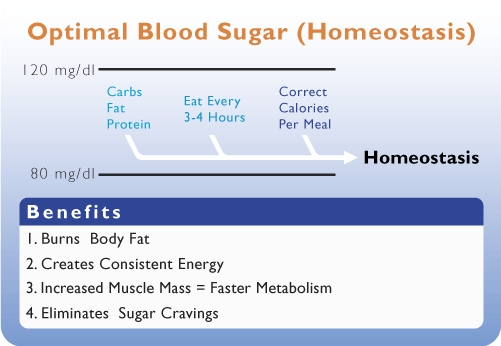
Any time you try to change something in your life, you are changing the way things happen–and that is when homeostasis is affected (regulation), but in social life, homeostasis is also an issue.
People want to keep things the “status quo”. When others are stuck in the way things are going in their own life, it is hard for them to be happy when you are making changes for the better. So, in weight loss or any other life changes, you would like to think that people would support you and be happy for your healthier life style change. However, there are those who actually try to (consciously or unconsciously) cause you to fail at something like weight loss, by undermining your success. These are Weight Loss Saboteurs!

It can be the person you least expect who attempts to sabotage your weight loss —
*your spouse,
*a sibling,
*co-worker,
*your best friend
*or even someone who works out where you work out.
While this situation can happen for different reasons, it is quite likely that the “saboteur” finds themselves threatened by your efforts to lose weight. It could be that they are reacting to your changes because of their own fears or insecurities.
EXAMPLES OF SCENARIOS:
- Friends may think you want to change your life in other ways and not want them around anymore.
- A friend may feel your weight loss makes her extra weight seem more noticeable to others and he/she feels bad about him/herself.
- Your spouse may be jealous of the attention you are getting from other people or won’t want them anymore.
- A family member may resent the time you spend exercising or preparing healthy foods (particularly if they themselves partake of neither) and think you are being selfish or don’t spend more time with them.
- A friend may feel guilty about continuing to eat your formerly favorite foods while you eat lighter fare. Or she may miss her “partner in crime” if you frequently ate bad foods together or shared together. My hairdresser used to try to offer me her chocolates all of the time, despite her knowing about my change of lifestyle diet. I knew it was because I had lost more weight than her and it was annoying her. The more she did it, the more I enjoyed saying ‘NO!”
WHAT DO WEIGHT LOSS SABOTEURS SAY?:
- Urge you to eat sweet or fattening foods.
- Undermine your efforts by making negative comments, such as: “No one ever keeps the weight off!” or “You’ll never make your goal weight. You always quit.” “You are no fun anymore.” “You are going overboard.” “You have gone too far.” “We will see if this new way sticks!”
- Continually offer you second helpings of food despite the fact that you say you are no longer hungry.
- Keep a watchful eye on everything you eat, make snide comments, or check the fridge or food packages to see if you have eaten “bad” foods in their absence.
- Be overly critical of your weight loss methods. “You have a weird relationship with food.”
- Discourage you from getting regular physical activity. “You go too much.” “You don’t spend enough time with me.”
- Belittle or make fun of you. I had a friend who said that my not ordering the Awesome Blossom onion rings with her anymore made me boring. I told her, “I would rather be boring than have fat thighs anymore.”

You might find that someone in your life fits these characteristics, therefore, it is likely you are dealing with someone who (consciously or unconsciously) does not want your weight loss efforts to work.
It is important to recognize if someone is making your weight loss efforts harder rather than easier, you need to acknowledge or it will only lead to failure and resentment in your relationship. You need to have an honest talk with this person, explaining the importance of what you are doing and how what they are doing exists and how it makes you feel. Use “I” statements, without blaming “you” statements.
Here are some COPING ideas:
- “When you prepare a meal for us, I would prefer it if you didn’t fill up my whole plate or offer me seconds. Please don’t take offense when I say no.”
- “When you bring snacks or fast food into the house, please try to eat them in another room or at least, don’t offer me any of yours or eat in front of me. These are problem foods for me and hard to resist them.”
- “I feel more likely to stick to my walking routine if you /biking/exercise routine if join me every now and again. It’s something we can do together.
- “I am carefully watching what I do and don’t eat. If I do slip now and again, believe me, I am aware of it. I don’t need you to point it out.
- “Please don’t take me to restaurants where I can’t order something good and healthy.”
In turn, ask your loved one to tell you about their feelings. You may be surprised at what comes to light. Ask them what you can do to help them adjust to your new lifestyle. (If your friend, for example, feels threatened you’ll leave her behind for a “new crowd,” a simple heart-to-heart may be all it takes for her to put those feelings of fear and resentment behind her.)
My recommendation is to find a support team of people who back what you are doing to change your life. A weight loss group, people at the gym or a work-out class, a friend who is also doing this change, people at the weight loss clinic, etc. It is important to find support. It is like Alcoholics Anonymous–people go for the support and sponsors. You need this for any change in your life. Find others who are like-minded.
Hopefully, you can either get your saboteur to come around or to at least stop the toxic negative talk. Sometimes relationships end over this kind of thing. I recommend trying counseling for important relationships. But, keep in mind that your changes and your health should come first. I can’t plead with you more to put yourself first.
Keeping a journal sometimes helps too. Often, dealing with these types of toxic influences comes down to avoiding them, ignoring them, or giving yourself the positive self-talk that undoes the damage caused by your loved one’s negative influence.
You can do things to avoid uncomfortable social situations. Try planning non-food activities with friends and family as often as possible. If you’re used to drinks and appetizers with friends, get together to a gun range, bowling, golfing, tennis, a run/walk, a movie instead; instead of going to your Mom’s for dessert, ask her to just coffee or a walk! I have a friend who meets weekly with a walking group. They walk and talk.
Try to get the saboteur to shop with you and learn about what you are doing and don’ t fall for buying what they like to eat.

The worst case scenario is that you’ll have to distance yourself from the person who is causing your weight loss efforts to suffer. Sometimes a breather from a relationship is a good thing. Don’t look at it as break up; remember that when you feel stronger or once you’ve met your weight loss goal, you could see them again.
Remember this is YOUR WEIGHT LOSS JOURNEY. And in any journey, there are twists and turns. Most things worthwhile are NOT easy. Remember, no one is able to make you eat or do/not do anything you set you mind to doing. It is your body and your health at stake and you have to take charge of it … and you are the one who has to live with your health issues, your body and you are the one who has to shop for clothes and deal with the ramifications of how it makes you feel!!






 Skinny-Rules